

Nepal
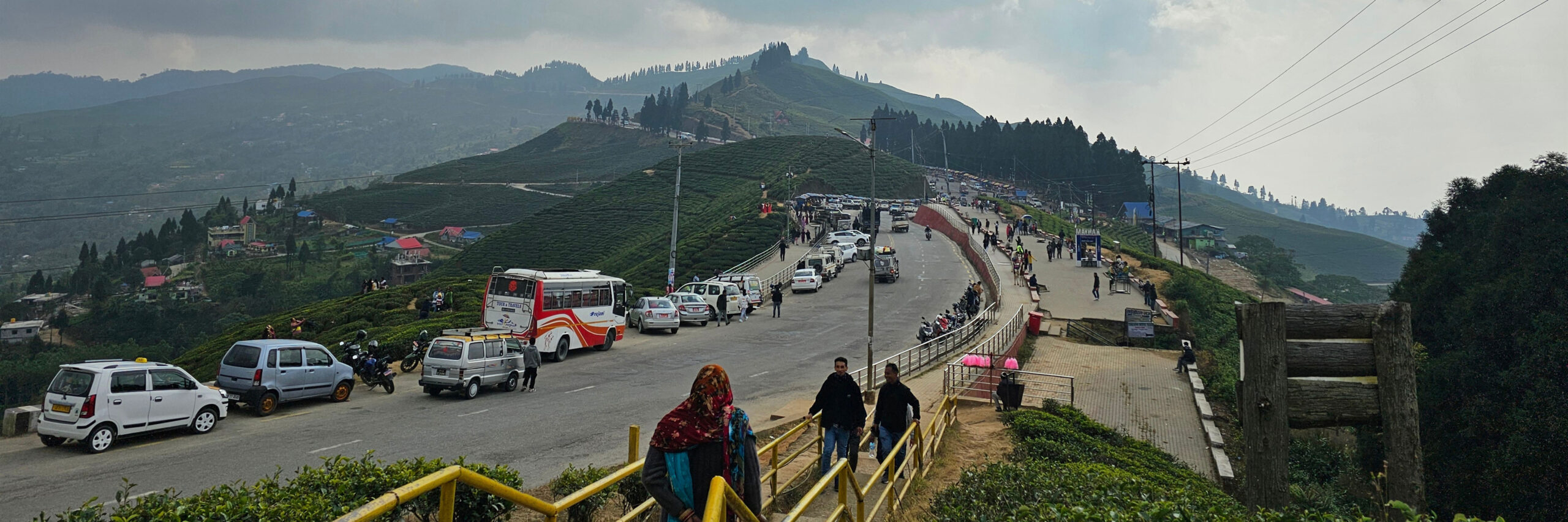
Nepal is navigating a critical stage of implementing federalism, and lasting progress depends on stronger local institutions, trusted public systems, and services that reach people more effectively.
We partner with national, provincial, and local governments, civil society, research organizations, and private sector partners to strengthen federalism, improve public decision-making, expand digital tools, and support more responsive services. In Nepal, we draw on long-standing relationships across all three tiers of government and evidence from local partners to help public institutions solve practical problems while opening new pathways to stronger democratic trust, accountable governance, and resilience to natural disasters.
Impact
People reached directly
The Subnational Governance Program engaged government officials, civil society, community members, and other stakeholders in efforts to strengthen local governance. More than 500,000 citizens were also reached indirectly across its strategic partner municipalities.
Intergovernmental coordination forums convened
The forums helped federal, provincial, and local officials clarify responsibilities, deliberate policies, and improve coordination—a critical component of implementing Nepal’s federal system.
Subnational policies and procedures supported
Technical assistance helped provincial and local governments strengthen the policies and administrative processes that guide public services.
Local judicial committees strengthened
Programming trained 2,221 community mediators and entered more than 23,000 people into community mediation, expanding access to local dispute-resolution mechanisms.
Citizens engaged in local planning and budgeting
Support through grassroots groups at the neighborhood (Tole) level provided community members agency in setting local priorities and shaping government plans and budgets.
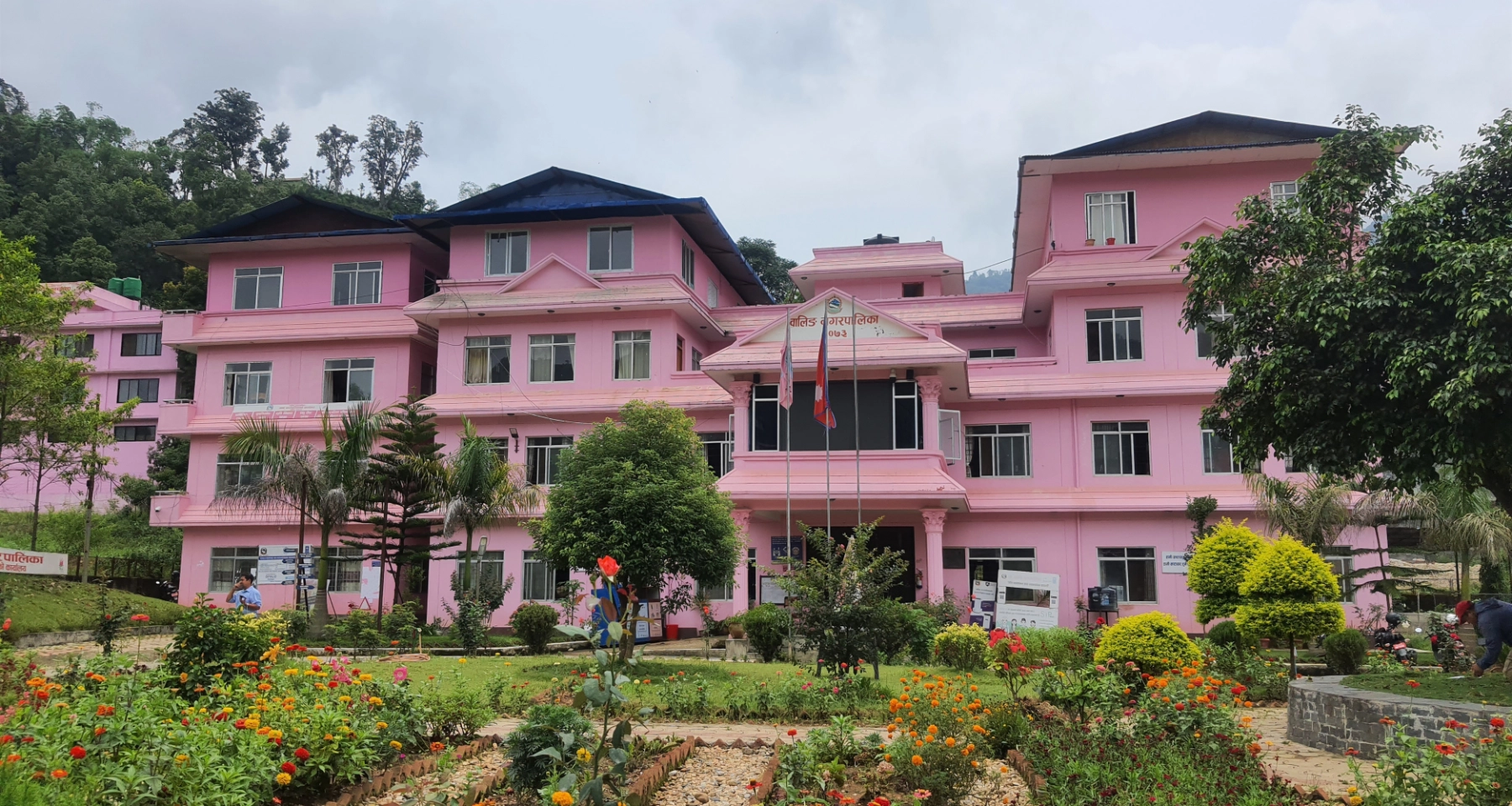
Improving Public Services Through Better Governance
Featured Programs
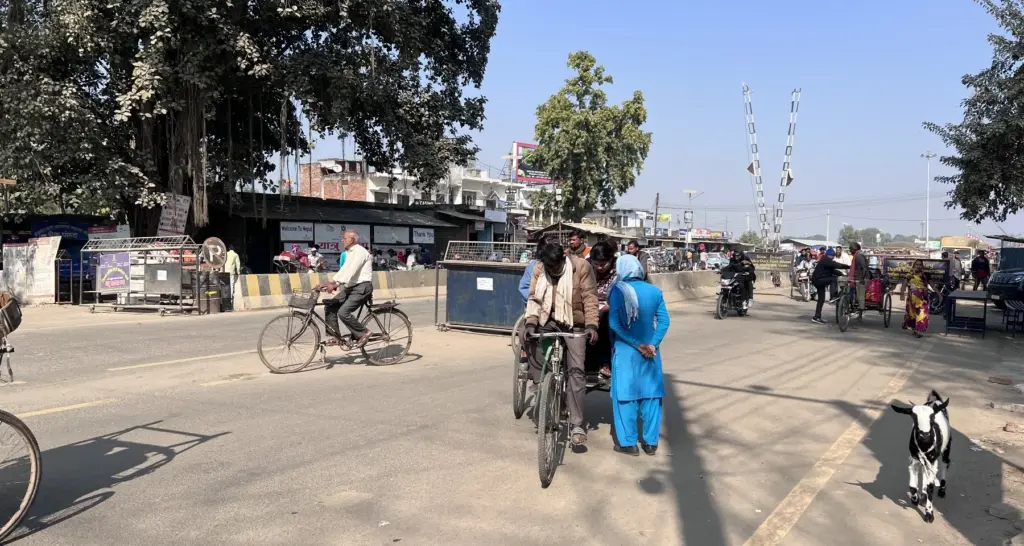
Providing Critical Research on the Trafficking of Children
As trafficking of children grows more complex in Nepal, we help generate evidence for policies and programs that protect children and respond to survivors’ needs.
Strengthening Data to Improve Decisions
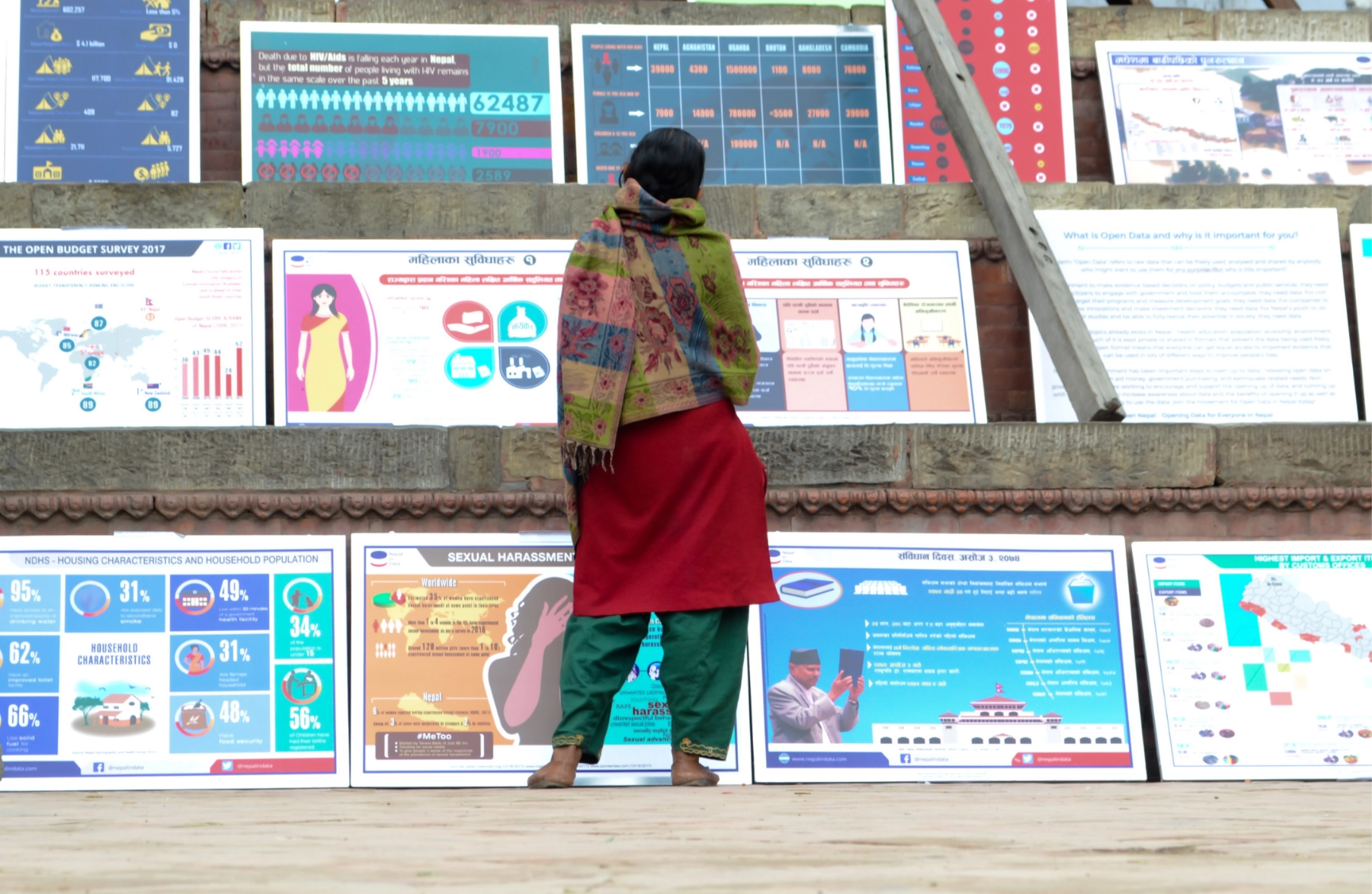
Nepal’s public institutions have experienced fragmented data systems, limited data skills, and gaps in digital services that make it harder to use evidence in decisions. Funded by the UK Foreign, Commonwealth & Development Office, the Data for Development program helped government and nongovernment partners produce, share, and use data for better policies and services. The program connected national policy reform with practical tools at provincial and local levels, while bringing together government, civil society, media, technology groups, and the private sector. It strengthened data use, supported digital systems and public-service improvements, and showed that better information can help institutions make more responsive decisions.
Improving Governance by Building Trust
Nepal’s transition to federalism has been slowed by weak coordination, limited public input, and fragile provincial institutions. Funded by the UK Foreign, Commonwealth & Development Office, the Collaborative Governance Learning Pilot helped government, civil society, and communities in Lumbini and Madhesh provinces work together on shared priorities. The pilot strengthened consultation, assembly committee work, and government-civil society trust. After the 2025 Gen Z movement, it quickly adapted to support local economic action plans, reform monitoring tools, and national discussion on out-of-country voting, bringing youth, diaspora, and community perspectives into policy debates. The pilot showed that when government and civil society work through trusted, practical channels, institutions can respond more effectively to public priorities and strengthen confidence in governance.
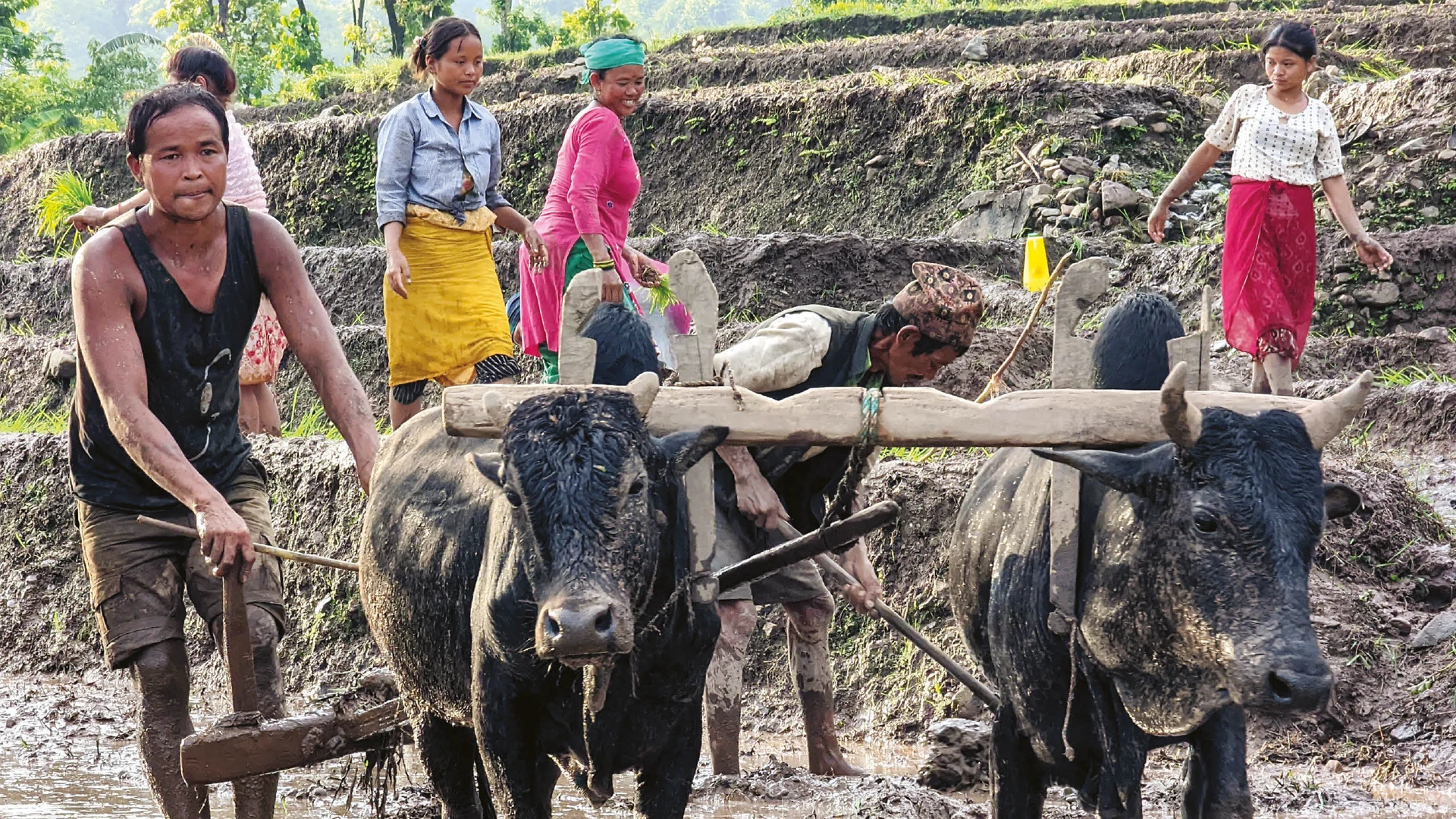
Featured Publication
A Survey of Nepali People
Through the Survey of Nepali People, TAF has partnered with Kathmandu University and a research organization to run nationwide perception surveys since 2017, covering approximately 7,000 respondents per wave and representative at national and provincial levels. The series tracks public trust in institutions, governance perceptions, economic trends, and gender and development issues across Nepal’s federal transition. Four waves have been completed (2017, 2018, 2020, 2022), with 2025 data currently being analyzed for publication in 2026.


Our People in Nepal

Bishnu Adhikari
Governance Director
Nepal

Carolyn O’Donnell
Director of Impact
Nepal

Kamal Bista
Director, Finance, Grants, and Administration
Nepal

Parshuram Upadhyay
Senior Policy and Governance Advisor
Nepal

Pranaya Sthapit
Director, Digital Transformation and Data Governance
Nepal

Sumina Karki
Director, Subnational Governance Program
Nepal

CONTACT US
The Asia Foundation in Nepal
nepal.general@asiafoundation.org
+977-1-4543316, +977-1 451-8345