

Program
Providing Critical Research on the Trafficking of Children
As trafficking of children grows more complex in Nepal, we help generate evidence for policies and programs that protect children and respond to survivors’ needs.
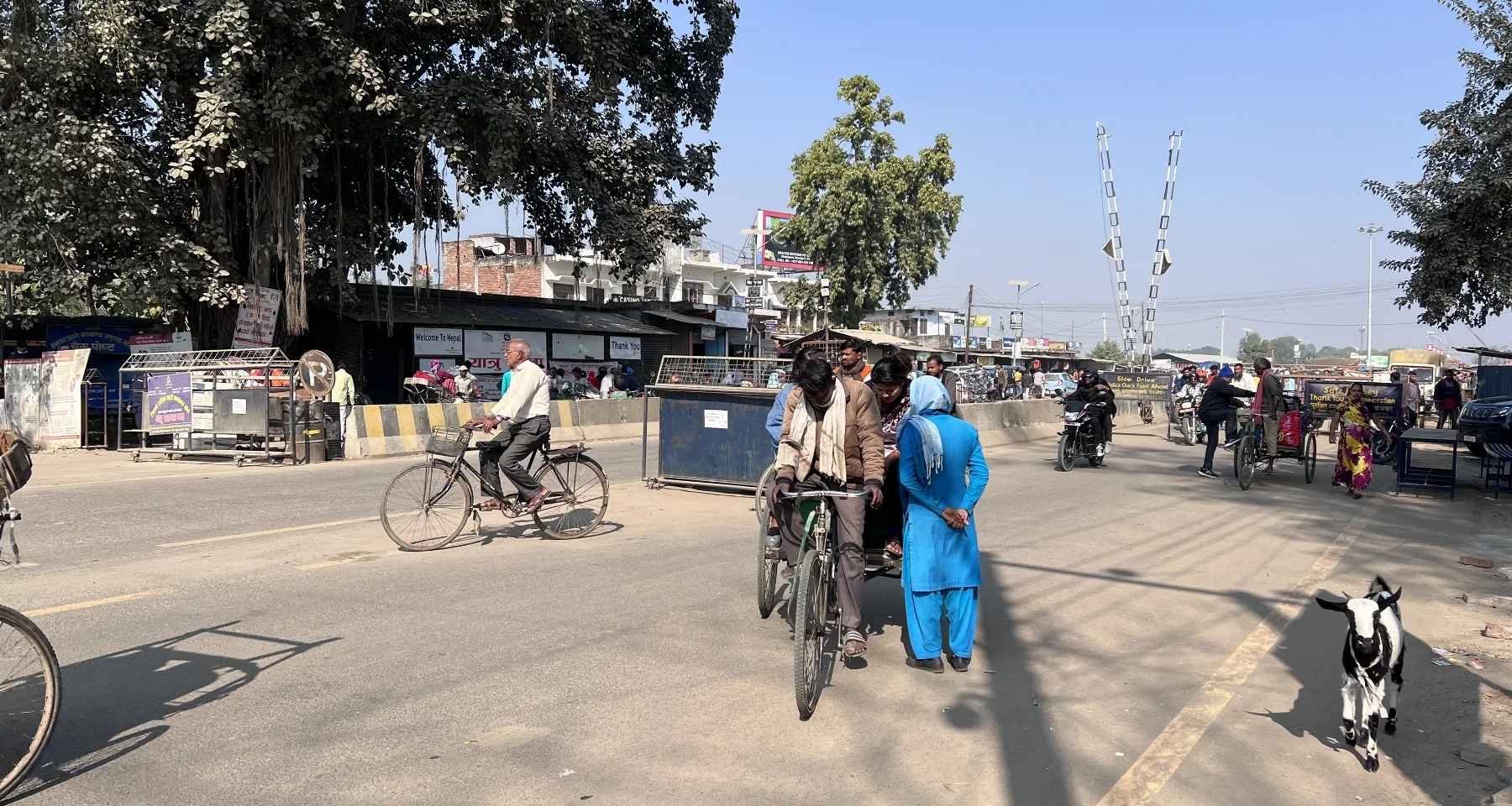
Trafficking of children continues to be one of Nepal’s most entrenched and evolving human rights concerns. Over the years, the problem has grown in both scale and complexity, shaped by the country’s unique geographic and socio-political landscape.
With support from the U.S. Department of State, TAF launched a formative research initiative to generate robust and actionable evidence to inform culturally appropriate and responsive policies and programs.
our approach
The study combines a review of existing evidence with quantitative, qualitative, and participatory research. It includes:
- A review of literature published between 2013 and 2023.
- Mapping of relevant programs and comparative geographic heat mapping to establish a baseline for child-trafficking trends.
- A survey of 654 people.
- Focus-group discussions.
- In-depth interviews with 80 adult survivors and other key stakeholders.
- Participatory workshops mapping available services and assessing their effectiveness.
summary
The study examines debt bondage, wage withholding, threats, and abuse; the rise in internal trafficking; and the use of fabricated relationships in cross-border trafficking. It also considers the social acceptance of exploitation, survivors’ fear of retribution, and the stigma and victim-blaming they may experience when returning to their communities.