

Program
Strengthening Policy Decisions Through Analysis
To ensure policy initiatives account for local power dynamics and incentives and can endure, we help Pacific leaders and institutions turn political analysis into practical reforms.
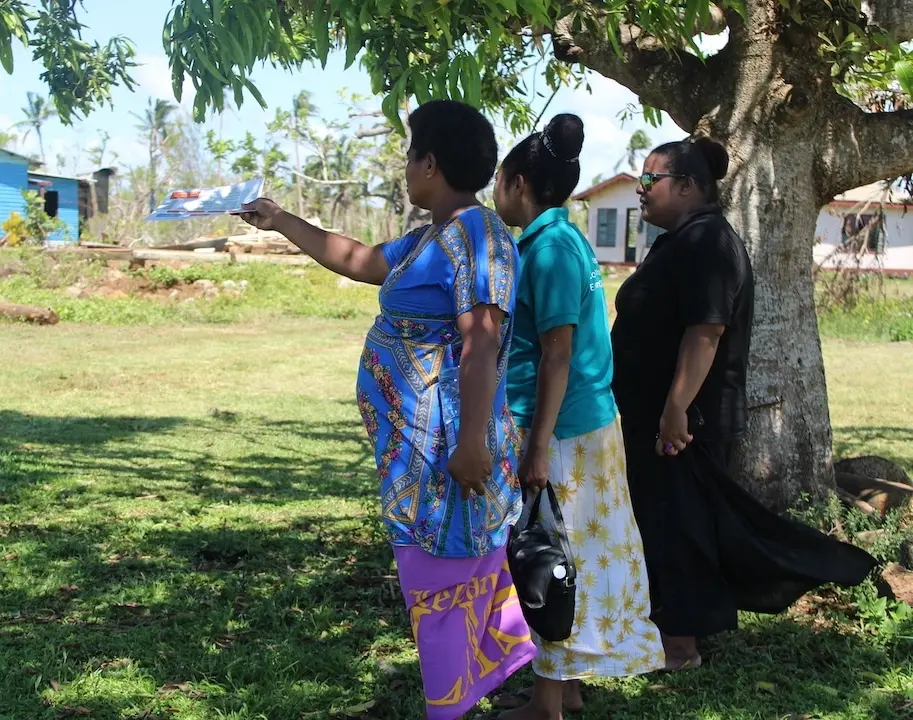
Political economy analysis helps governments and partners understand how power, incentives, relationships, and institutions shape policy outcomes.
Our Pacific Islands team uses this analysis to strengthen reform design and delivery by bringing politically informed thinking into policy processes, leadership practice, and institutional decision-making. What makes the approach distinctive is how analysis moves from diagnosis to action. Rather than producing static reports, the program includes practical tools in leadership training, partner platforms, and policy processes, helping Pacific practitioners test scenarios, map stakeholders, build coalitions, and adapt plans to local realities.

Featured Publication
PEA in Practice: A Practical Guide to Political Economy Analysis
PEA in Practice provides a user-friendly framework, participatory tools, and concrete case studies to unpack power, institutions, and incentives—and to help practitioners navigate complexity, challenge technocratic defaults, and design politically informed pathways to change.
Impact
More than 700 public sector workers, emerging leaders, and reform practitioners received training in analyzing incentives, institutions, and stakeholder dynamics that shape policy outcomes.
Political economy analysis was included in leadership, governance, and policy training programs across the Pacific.
Stakeholder mapping, coalition building, and adaptive planning frameworks helped partners connect policy design with implementation realities.
Public sector, academic, and partner institutions strengthened Pacific-led expertise in political economy analysis.
Long-term partnerships with institutions including the Fiji Institute for Public Service and Diplomatic Academy supported continued integration of political economy approaches into leadership and policy development.
Featured Initiative
Training Future Policy Leaders to Navigate Complexity
TAF partnered with Fiji National University to develop a graduate-level, Pacific-tailored political economy analysis course to enhance regional capacity to navigate complex policy and reform challenges. The 6-week course will deliver six modules and more than 12 hours of instruction, building a pipeline of Pacific practitioners positioned as technical experts, and strengthening evidence-based policy, reform design, and regionally grounded governance engagement.

Featured Insight
Political Economy of A Water Management and Community Perceptions
The research reviewed the political context, the water sector, the individuals, agencies, and the role of formal and informal institutions in shaping water resource management across 14 countries in Melanesia, Micronesia, and Polynesia.