

Action Pathway
Evidence-Based Policy Making
Governments in Asia and the Pacific are working to make policy decisions in complex environments shaped by rapid economic change, shifting public expectations, limited resources, and competing political interests.
Sound evidence can help leaders understand what is working, weigh trade-offs, explain decisions, and improve services, but weak data systems, uneven research quality, limited policy analysis capacity, and institutional resistance often make it difficult to bring reliable information into public debate and decision-making. We help governments, civil society, researchers, and other local partners generate practical evidence, present it in ways decision-makers can use, and create space for informed discussion that leads to better policies and services.
APPROACH
We work with government institutions, civil society, and local knowledge partners—from academia to think tanks—to make evidence more useful in public decision-making. Rather than treating research as a final product, we help partners define the policy questions, gather and interpret relevant data, test practical options, and present findings in ways decision-makers and the public can use. This can include support for legislative analysis, local governance reform, and policy discussions that bring research into the choices institutions need to make. These approaches help strengthen the link between knowledge and action, leading to better decisions, more responsive services, and greater trust in public institutions.
featured programs
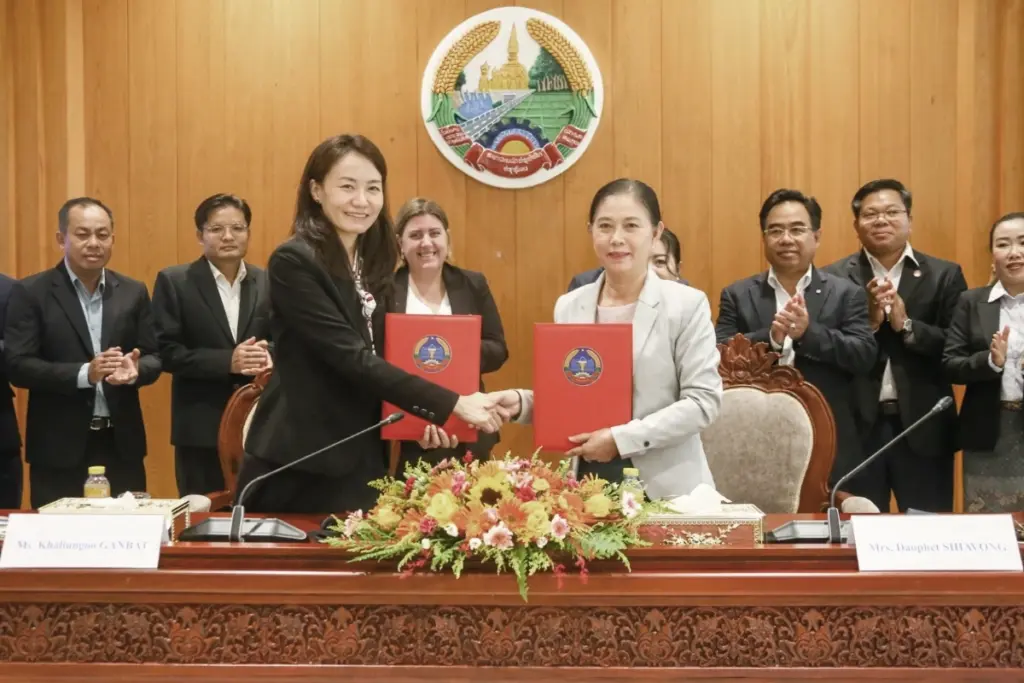
Helping Government Address Citizen Priorities
To make public decisions more responsive to citizens’ needs, we help Lao PDR’s assemblies use evidence and outreach to strengthen laws and services.
Transforming Policy Through Locally Led Reform
To help reforms take hold in the Philippines, we work with local leaders to build coalitions that advance practical solutions to key public policy challenges.
Strengthening Data to Improve Decisions
Nepal’s public institutions have experienced fragmented data systems, limited data skills, and gaps in digital services that make it harder to use evidence in decisions. Funded by the UK Foreign, Commonwealth & Development Office, the Data for Development program helped government and nongovernment partners produce, share, and use data for better policies and services. The program connected national policy reform with practical tools at provincial and local levels, while bringing together government, civil society, media, technology groups, and the private sector. It strengthened data use, supported digital systems and public-service improvements, and showed that better information can help institutions make more responsive decisions.