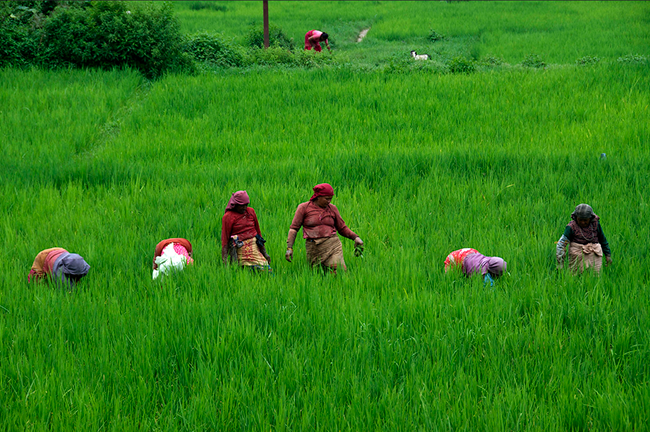
A History of Impact (CS)
Since 1954, The Asia Foundation has addressed the most critical issues facing Asia and the Pacific with purpose, focus, and urgency. Drawing on our deep local knowledge and vital partnerships across government, civil society, business, and academia, we proudly celebrate 70 years of enduring impact on individual lives, communities, and ecosystems in Asia and the Pacific.
“The Asia Foundation’s rich legacy of contributing to Asia and the Pacific’s remarkable development story is the bedrock on which we are building innovative solutions to today’s social and economic challenges.”
– Laurel E. Miller, President & CEO
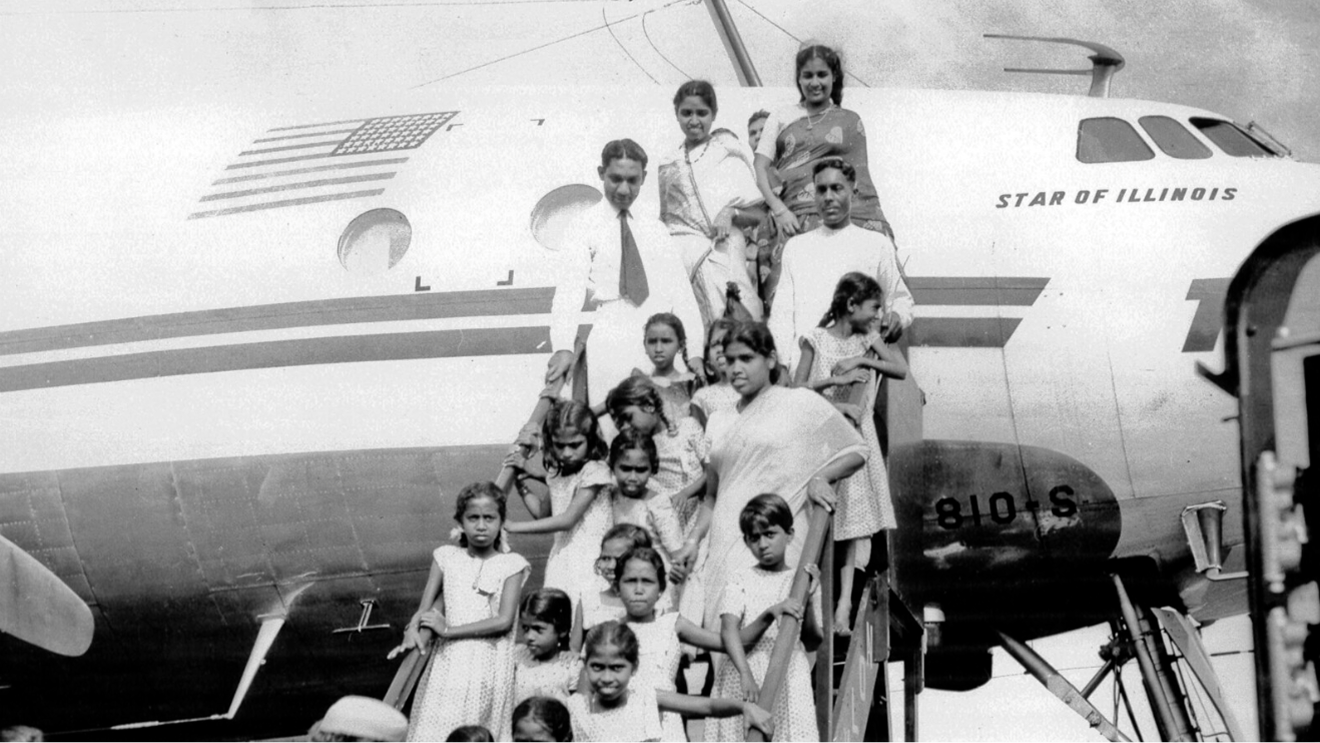
The 1950s: A War-Torn Asia Rebuilds
The 1950s is a time of considerable instability and shifting forces in Asia: Japan is recovering from war; China’s communist leaders take power; war breaks out between North and South Korea; Southeast Asia confronts growing nationalist and anti-colonial movements; while South Asia faces challenges from longstanding religious and ethnic strife. U.S. attention is focused on the Cold War.
1954
The Asia Foundation is Founded
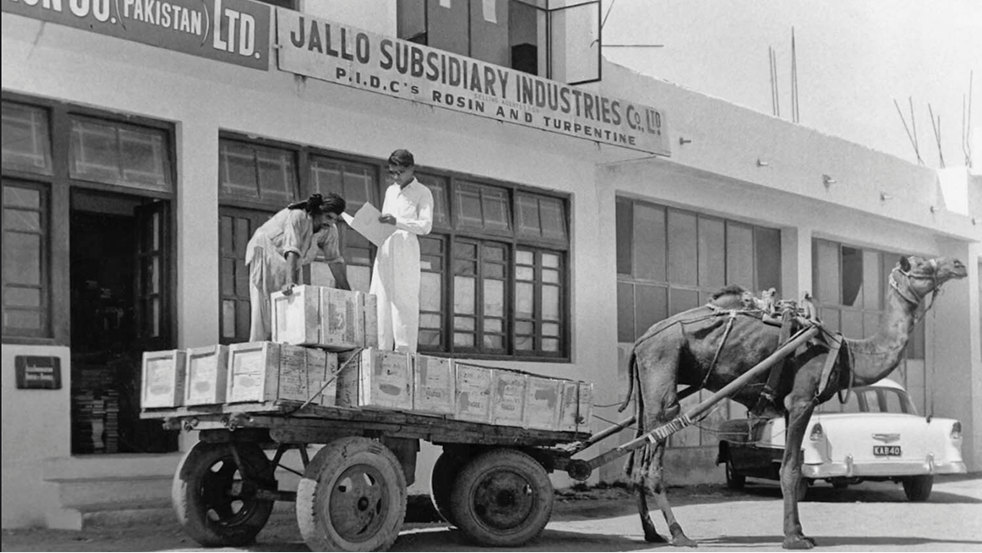
In 1954, The Asia Foundation is founded, a nonprofit NGO with headquarters in San Francisco. Its 21 founding directors include the presidents of Stanford, UCLA, Columbia, and Brown Universities, a Pulitzer Prize-winning author, heads of six major American corporations, and prominent figures in foreign affairs. The stated purpose of the new Foundation is to support peace, independence, personal liberty, and social progress in Asia, and to foster mutual respect and understanding between Asia and the West. Although it is the height of the Cold War, the Foundation operates on the concept that a private organization can accomplish results which government agencies cannot.
1954
Books for Asia
In 1954, The Asia Foundation launches what will become one of its signature programs, Books for Asian Students (later renamed Books for Asia), to address the critical shortage of college textbooks in Asia. The first donations were distributed in the Philippines and Japan. Now the Foundation’s longest running program, Books for Asia has donated tens of millions of books to many thousands of institutions throughout Asia. Today, Books for Asia puts one million brand-new books each year into the hands of students, educators, and local and national leaders in 19 Asian countries.
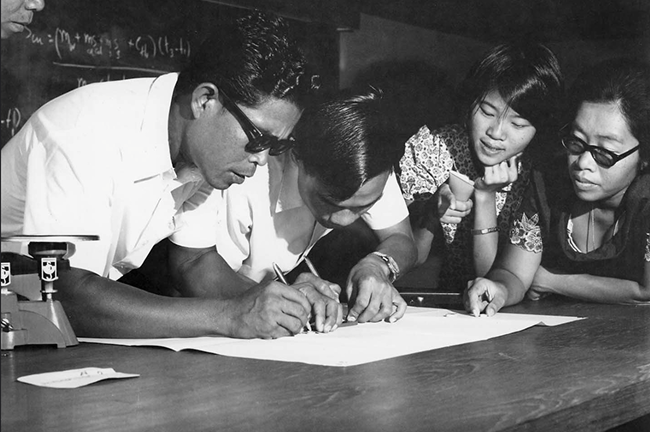
The 1990s: Small Business and Good Governance
In the 1990s, The Asia Foundation consolidates its focus on good governance and economic reform to benefit citizens. Foundation programs across Asia support election commissions and civil society election programs, and help legislatures and other assemblies draft or reform constitutions. The Foundation also works to remove structural impediments to economic growth and support competitive markets, small and medium enterprises, and the development of securities and capital markets. Environmental projects also gain prominence in the 1990s, with an emphasis on the links between business and the environment.

1990
Mongolia and Nepal: Supporting Constitutional Development
In 1990, their governments rocked by historic changes, Mongolia and Nepal invite The Asia Foundation to help revise their constitutions and build a framework for new, multiparty elections. The Foundation is one of the first nonprofits invited into Mongolia after the democratic revolution. The Foundation responds quickly to provide constitutional experts and arrange study tours of U.S. electoral and legislative systems.
1990
Nepal: Safeguarding Women’s Rights
The Foundation provides support for the Lady Lawyers Association of the Nepal Centre for Women’s and Children’s Affairs to hold a seminar on ways to safeguard women’s rights in Nepal’s new constitution. Over 100 women from around the country attend. Their findings are published and distributed to government officials and decision-makers responsible for drafting the new constitution.