

Uncategorized
Highlighting the Women Workers Shaping Bangladesh’s Garment Sector
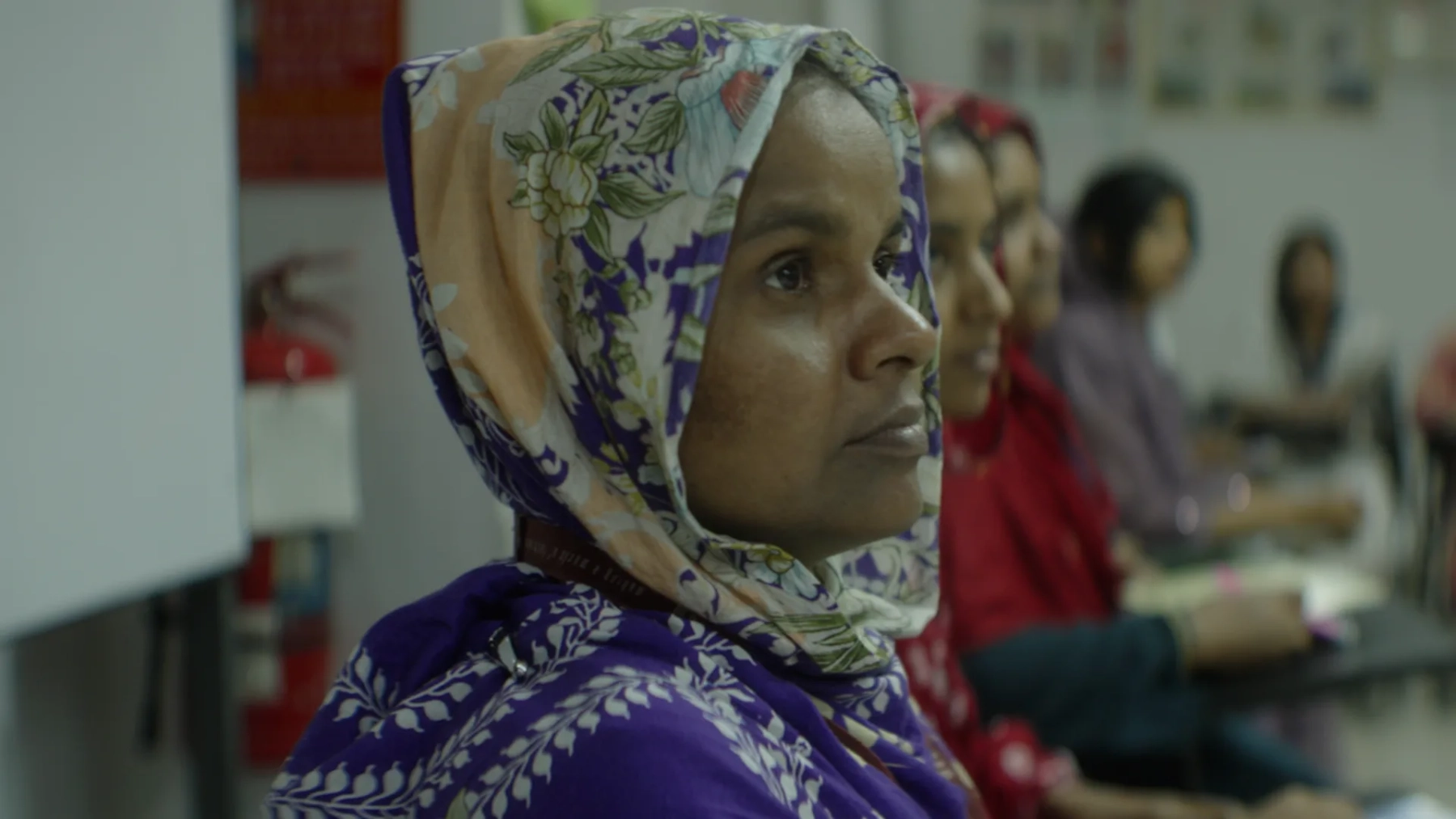
Bangladesh’s ready-made garment sector employs millions of women and is a cornerstone of the country’s economy. Yet environmental pressures, changing industry demands, and barriers such as limited access to skills development, unequal economic opportunities, and unpaid care responsibilities can make it difficult for women workers to benefit from the sector’s transition toward more sustainable and technology-enabled production. The Asia Foundation’s Oporajita program helps women build the skills, resilience, and leadership needed to succeed as the industry evolves.
In June 2026, The Meaning of Oporajita , an eight-minute branded film produced for H&M Foundation by BBC StoryWorks Commercial Productions debuted to a global audience. The film is part of the Fashion Redressed II series presented by the Global Fashion Agenda. Filmed in Gazipur, Bangladesh, the film follows garment workers Rushia Khatun and Akhi Akter. It highlights how Oporajita and its partners are supporting women workers while contributing to the future of Bangladesh’s garment sector. Through the experiences of the two women and insights from Oporajita representatives and partner organizations, the film demonstrates how coordinated action can address the interconnected challenges facing women in the industry.
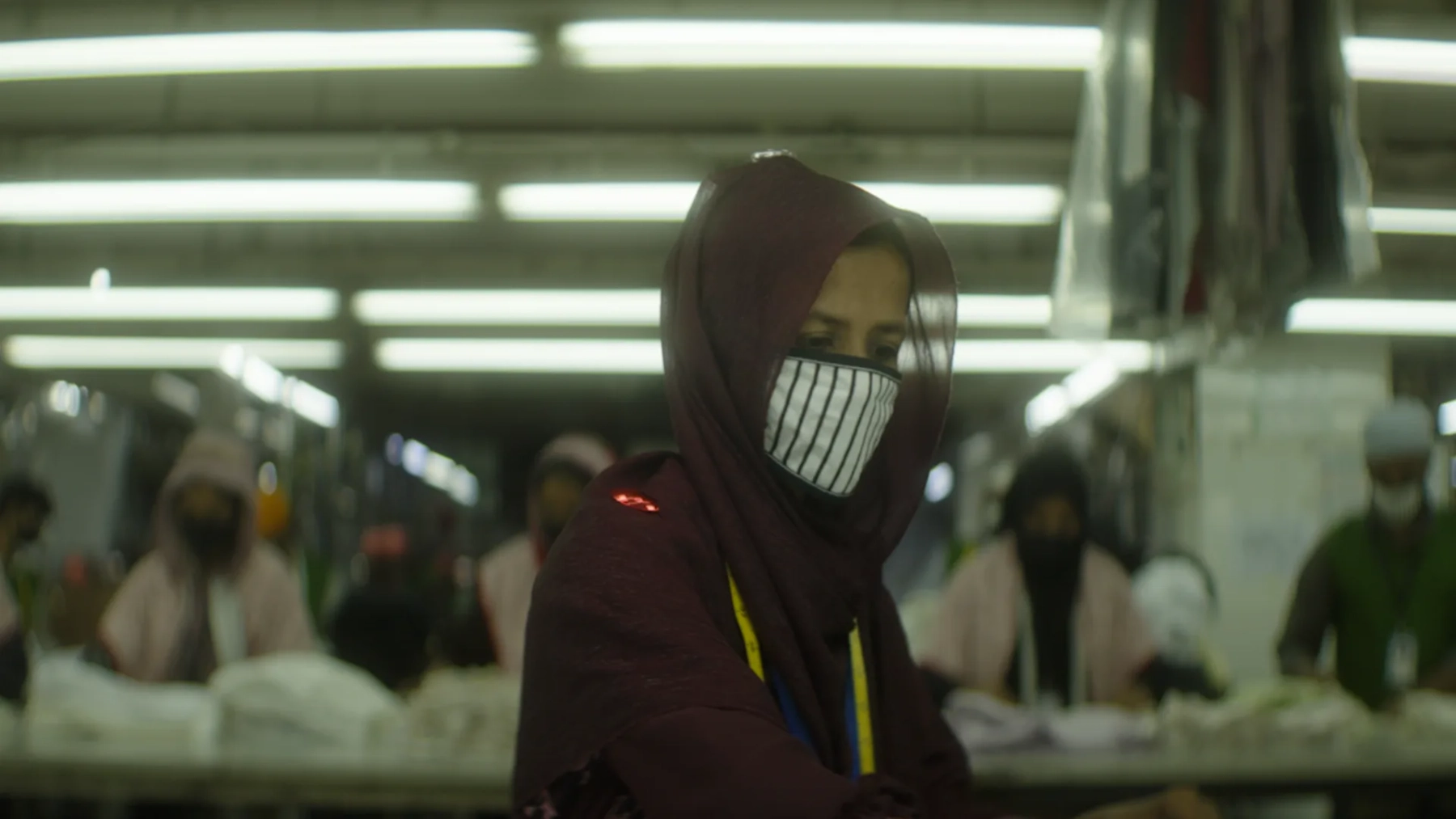
The film showcases Oporajita’s collective-impact approach through the experiences of workers participating in programs delivered by multiple partners. Viewers see how CARE Bangladesh’s soft-skills training and Women Friendly Spaces centers help strengthen confidence, leadership, and well-being; how Save the Children’s childcare services enable women to remain employed while supporting their families; and how Swisscontact’s Green Skills training equips workers with new capabilities to adapt to changing industry needs and environmental challenges. By connecting these initiatives through the lived experiences of Rushia and Akhi, the film highlights how coordinated support can strengthen resilience, expand opportunities, and improve quality of life while bringing these stories to decision-makers, brands, investors, and development practitioners around the world.
“Women carry so much: our families, our homes, our communities. Being part of this film reminded me that we deserve to carry ourselves forward, too, and watching Akhi’s story alongside my own, her struggles and her strength, made me think, yes, we can achieve great things,” said Rushia Khatun, a quality inspector for the manufacturing company Iris Group.
She added that Oporajita’s training sessions have increased her confidence. “What we learn here does not stay here,” she said. “I walk away from this experience feeling more capable and more determined, and I intend to carry that into everything I do, on the factory floor and beyond.”
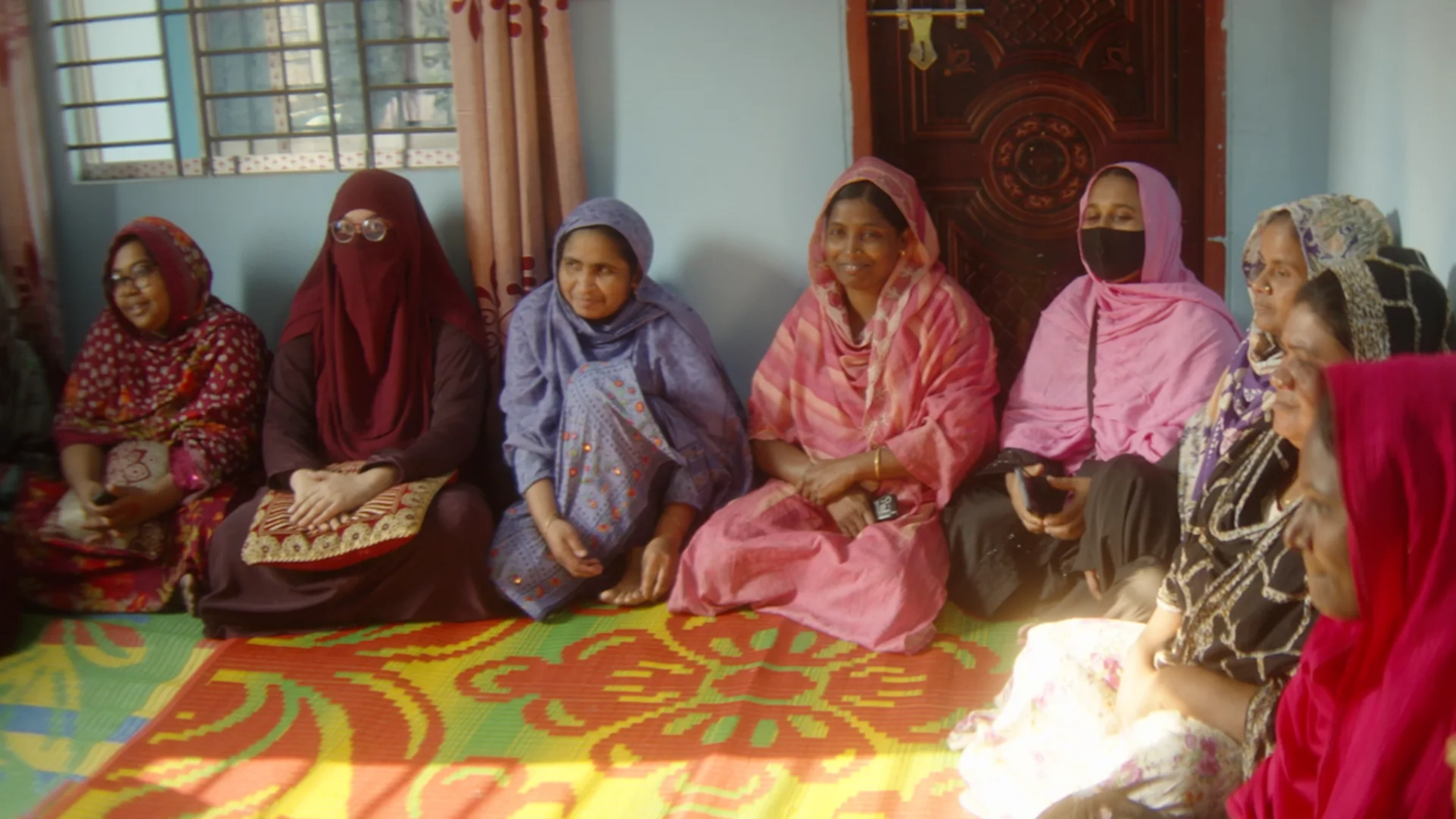
The film represents an important milestone in Oporajita’s efforts to support women garment workers and demonstrate how cross-sector partnerships can support the future of work in Bangladesh.
Fashion Redressed makes clear that Oporajita is a model for addressing complex workforce challenges through collaboration. It also shows that strengthening women’s skills, resilience, and leadership is both a social priority and an important component of a more sustainable, competitive, and future-ready garment industry. By continuing to share lessons from Bangladesh’s collective-impact approach, the initiative aims to strengthen partnerships, encourage new investment, and keep women workers at the center of conversations about the future of the garment sector.