Program
Advancing Women’s Economic Participation Through Care Reform
In Sri Lanka, unpaid care work limits women’s economic participation. We help women’s groups strengthen community care services, generate policy evidence, and build support for shared responsibility.
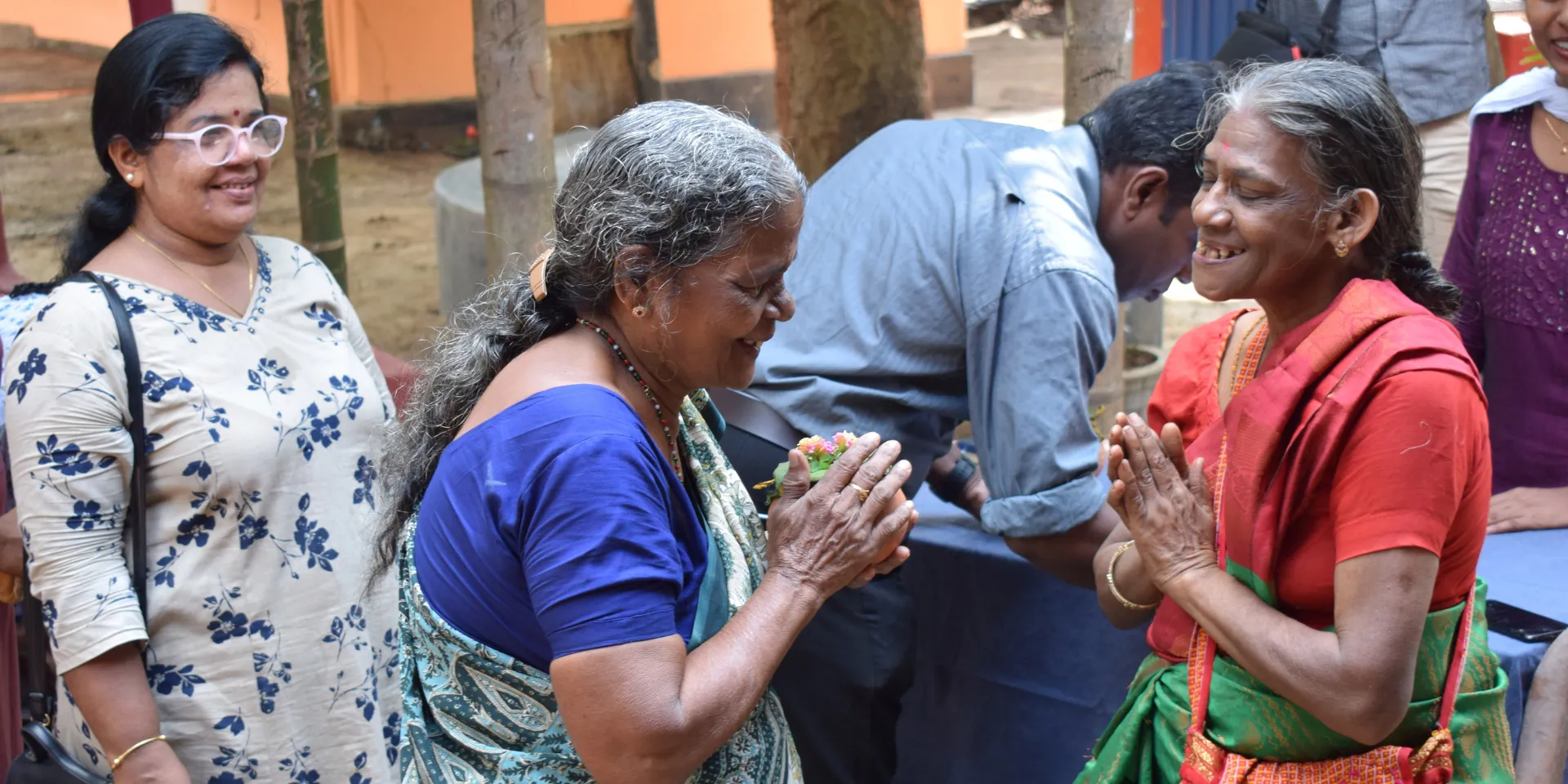
In Sri Lanka, the unequal burden of unpaid care work keeps many women and girls from fully participating in the economy, education, and public life.
The Addressing Unpaid Care Work in Sri Lanka program advances women’s rights, economic participation, and well‑being by addressing the disproportionate burden of unpaid care carried by women and girls. Working at the national level and across eight districts, the program strengthens policies, community‑based care systems, and public awareness to support sharing of care responsibilities.
APPROACH
Grounded in the “5Rs” framework—recognizing, reducing, redistributing, representing, and responding to unpaid care—the program combines evidence‑based advocacy with women‑led community solutions. Through partnerships with 13 women’s rights organizations, its women-centric and participatory approach supports locally grounded reforms that reflect the lived realities of women and caregivers.
Impact
Produced locally grounded research on unpaid care work, including a time‑use survey across seven districts and an assessment of child‑care models, now informing national advocacy and the program’s service delivery approach.
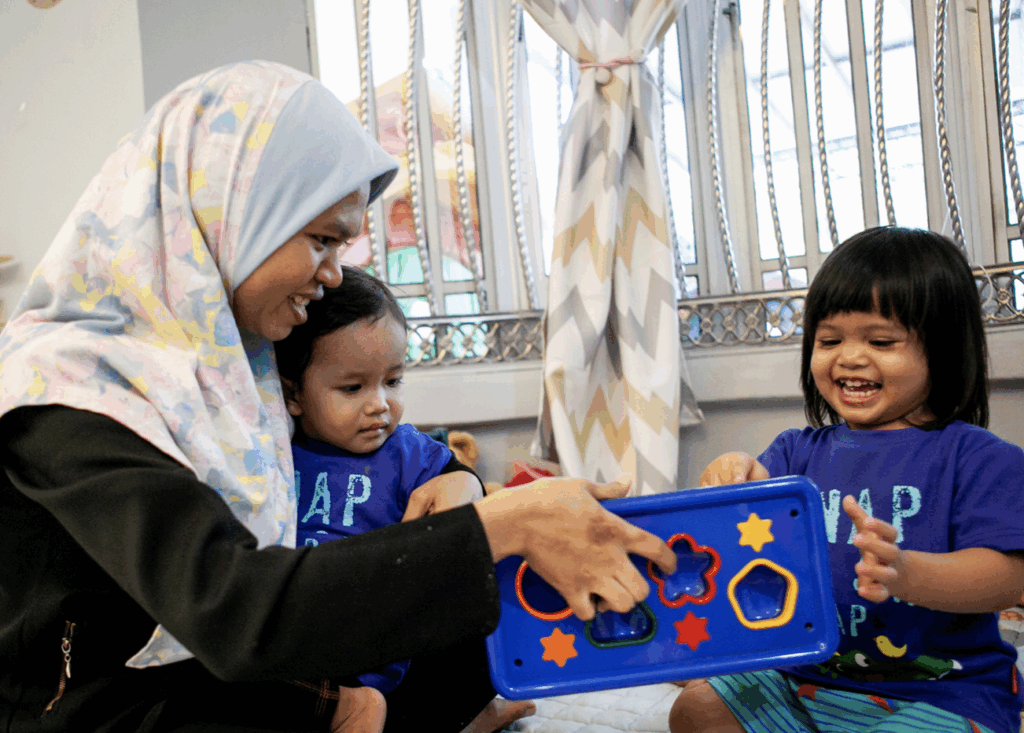
Partnered with eight women’s rights organizations to establish women‑led community day‑care centers across seven districts, supporting children, elders, and persons with disabilities while easing care burdens for women caregivers.
Built the technical and institutional capacities of 12 women’s rights organizations and more than 100 women leaders to advocate on unpaid care, engage state actors, and deliver rights‑based care services.
Connected women, men, youth, and local leaders in dialogues that increased recognition of unpaid care as a vital social and economic contribution and encouraged sharing of care responsibilities within households.
Created national platforms for government, civil society, and private sector actors to align evidence, advocacy, and public engagement on recognizing and addressing unpaid care work.