

Program
Strengthening Policymaking with Data and Dialogue
We help government, civil society, universities, and communities use research and public input to develop policies that benefit all Cambodian people.
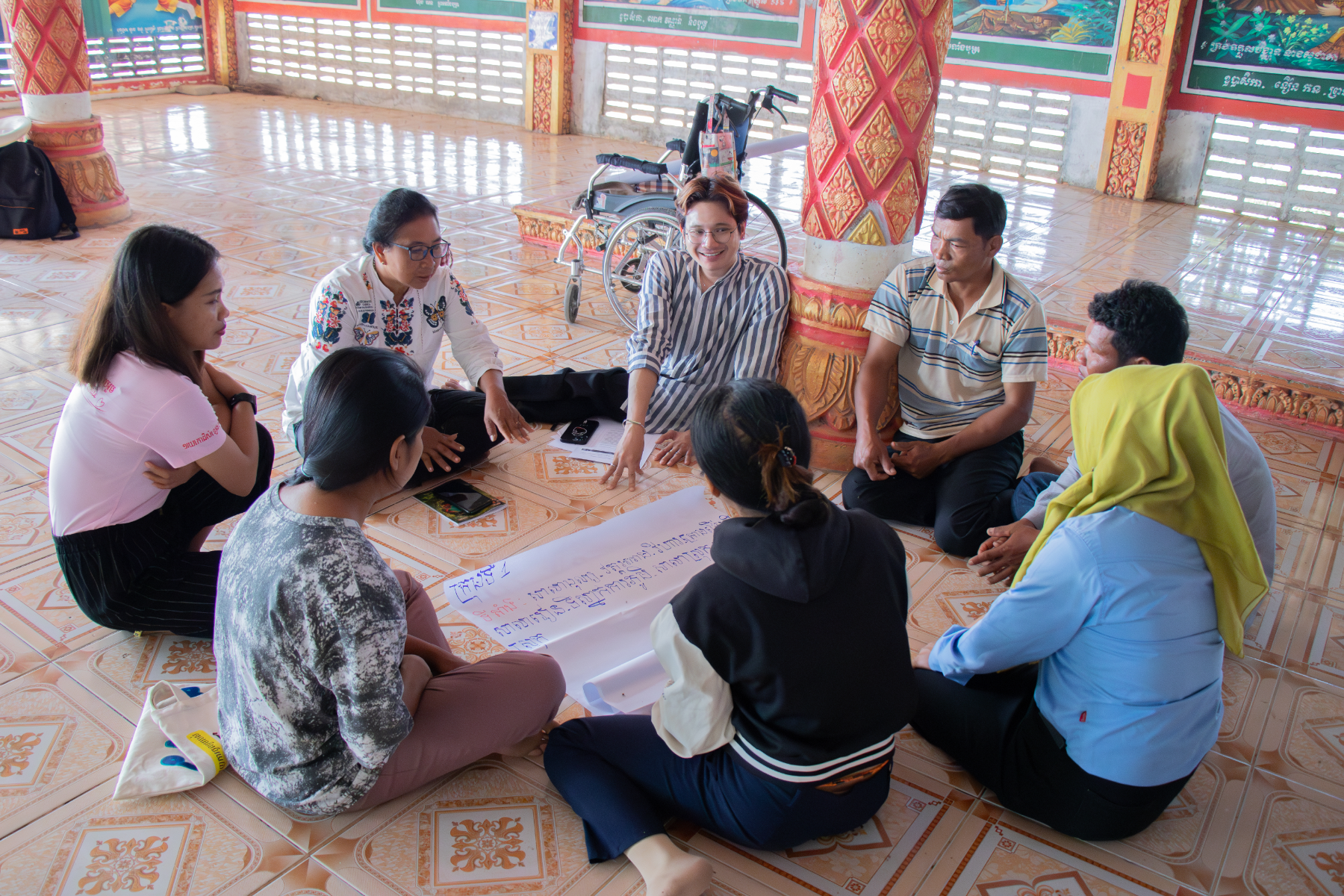
The Ponlok Chomnes – Data and Dialogue for Development in Cambodia program is transforming a policy environment where decisions have not always been shaped by reliable research or broad public input.
Supported by Australia’s Department of Foreign Affairs and Trade, the program works with Cambodian government institutions, civil society, universities, and communities to strengthen evidence-informed policymaking and make policy dialogue open to all citizens, incorporating the perspectives of women, people with disabilities, and other marginalized communities.
Ponlok Chomnes has helped transform Cambodia’s policy environment by integrating evidence-informed decision-making and broad-based dialogue into how policy is shaped. In just five years, the program has helped generate a culture of research use that was previously limited, alongside a growing norm of open and accessible dialogue across policy processes.
Building on this foundation, the current phase continues to partner with Cambodian institutions to ensure that policy and planning are grounded in credible research and informed by lived experiences—particularly the perspectives of women, people with disabilities, and other marginalized communities—so that decision-making becomes more responsive and durable.
Impact
The program has supported the development of more than 300 research and policy products that are informing national and sub-national policy processes.
It engaged more than 20 ministerial focal points to increase the use of research and data in policymaking.
Dialogue mechanisms are more consistently incorporating the perspectives of women, youth, and people with disabilities.
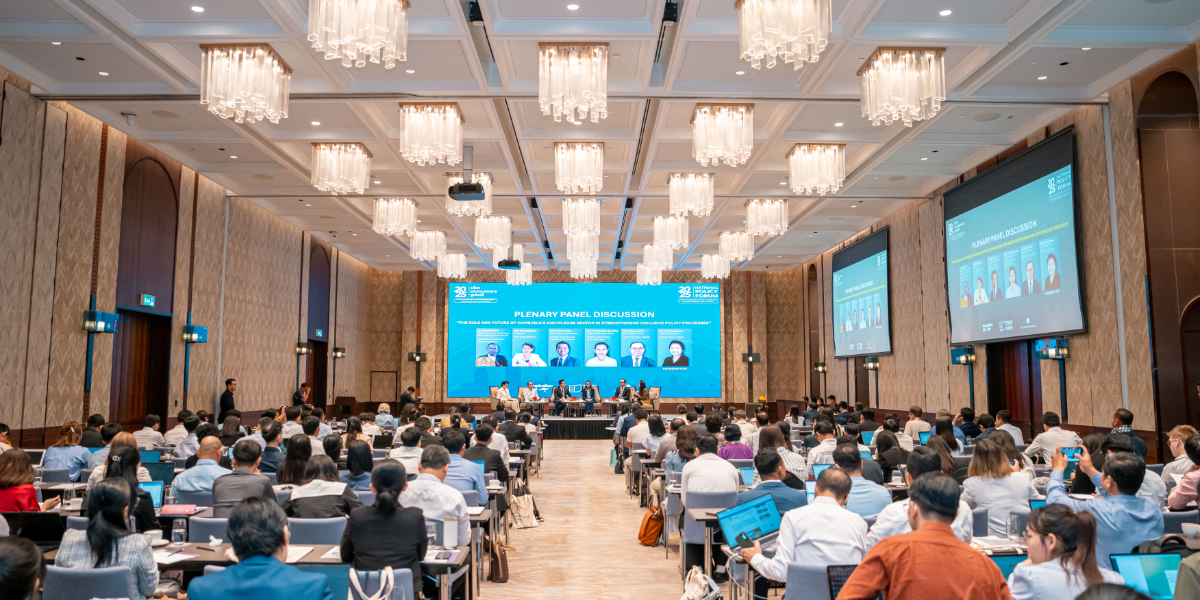
APPROACH
What sets Ponlok Chomnes apart is how it links research with structured dialogue through long-term local partnerships. Its hub-and-spoke model helps local institutions—government, civil society, academia, and communities—build the habits, relationships, and capacity needed to use evidence and lived experience together. That makes policy processes more responsive, participatory, and durable over time. This approach strengthens national ownership, builds institutional capability, and creates a self-sustaining and scalable model for evidence-informed governance and policymaking.