Program
Building Local Leadership for Women’s Rights
To strengthen women’s rights in Sri Lanka, we help women-led local organizations support community collectives, advocate for reforms, and sustain their work.
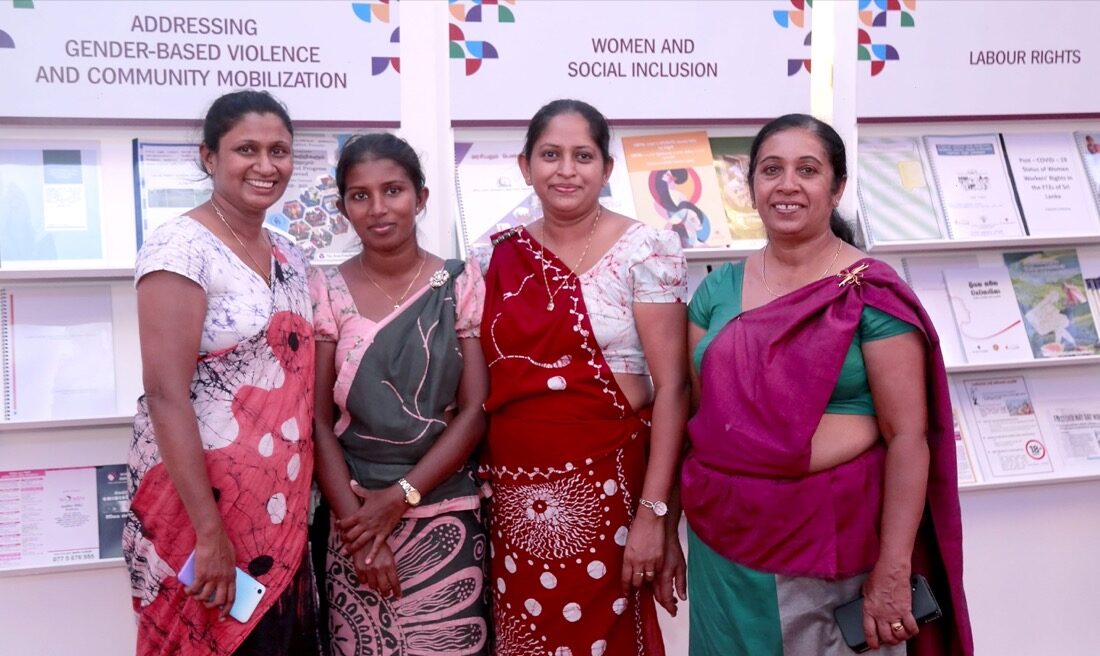
The Renewed Women’s Voice and Leadership program strengthens women‑led organizations and grassroots women’s movements across Sri Lanka to advance the rights, leadership, and collective agency of women and girls.
Funded by Global Affairs Canada, the program supports women’s rights organizations working on issues ranging from violence prevention and labor rights to land access, social protection, and environment‑related economic insecurity.
Impact
Ten multi‑year grants to women’s rights organizations extended support to 100 women’s community collectives, addressing issues such as violence prevention, labor rights, land access, social protection, and environment‑related economic insecurity.
Rapid response funding supported a dozen women’s rights organizations to meet urgent needs following Cyclone Ditwah, including sanitation facilities at flood relief centers and emergency assistance for affected families.
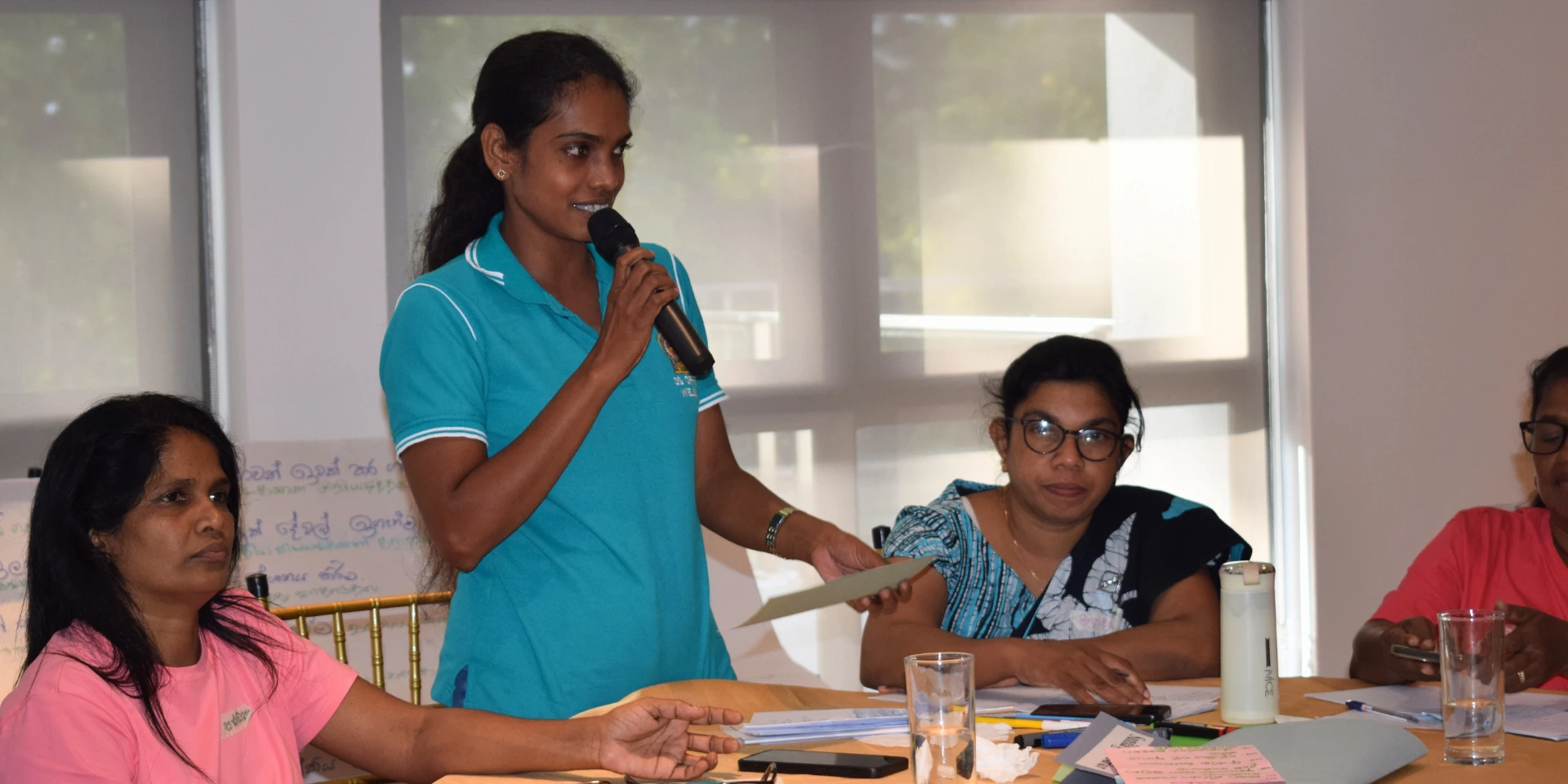
Training‑of‑trainers initiatives equipped women’s rights organizations and community leaders to independently deliver education on women’s rights and related issues, expanding awareness and leadership at the community level.
Ongoing mentoring strengthened partner organizations’ capacities in financial management, monitoring and evaluation, grantmaking, fundraising, and thematic expertise—supporting sustainability and readiness for future opportunities.
Facilitated collaboration among women’s rights organizations and community collectives enabled joint advocacy on shared challenges, including coordinated efforts to advance legal and policy reforms.
approach
The program works through a cascading partnership model that positions local women’s rights organizations as grant‑makers, mentors, and trainers for community‑based women’s collectives. By centering local leadership and contextual knowledge, the program strengthens coordination, advocacy, and long‑term institutional resilience across community, subnational, and national levels.