Study
Social Safeguarding in Thailand’s Bangkok–Nong Khai High-Speed Railway
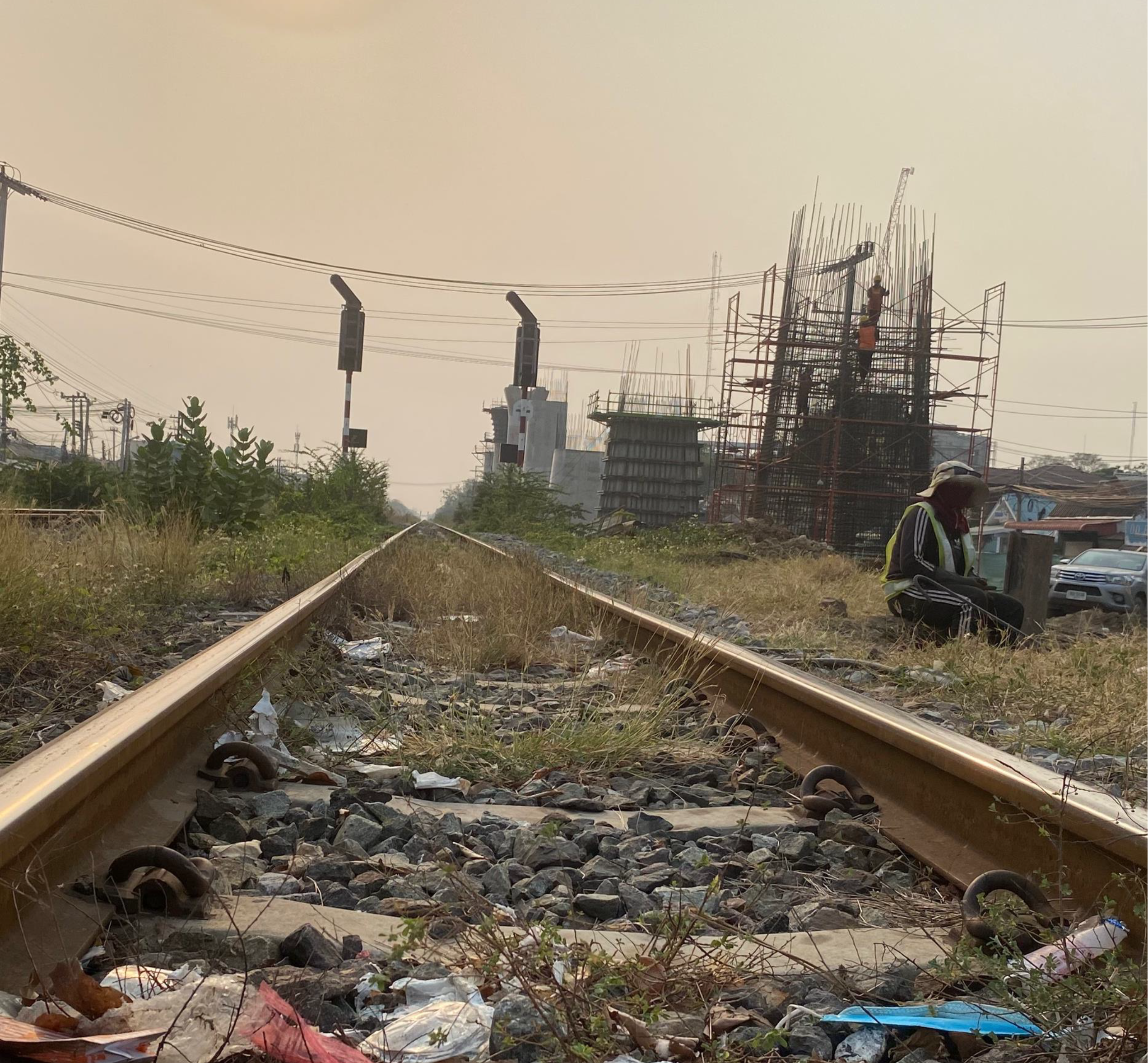
This research study examines social safeguarding challenges of Thailand’s High-Speed Railway project, a major infrastructure initiative aimed at enhancing regional connectivity.
The study uses qualitative methods, including reviews of environmental impact assessments, interviews, and community consultations across affected provinces, and analyses impacts on communities, particularly regarding land acquisition, livelihoods, and vulnerable groups.
The report focuses on four key areas: impacts on land and livelihoods, community health and safety, the effectiveness of grievance mechanisms, and risks of accelerated crime. The findings indicate gaps in the implementation of existing legal frameworks, particularly in compensation, resettlement processes, and stakeholder engagement. It also identifies risks to community health, safety, and social cohesion, particularly for women, elderly individuals, and marginalized groups.
While Thailand has robust regulatory protections, the report emphasizes the need for stronger enforcement, improved coordination among agencies and contractors, and more inclusive engagement processes. It concludes with practical recommendations to strengthen social safeguards, enhance gender equality, and protect marginalized populations throughout the project’s multiyear construction and operation phases.
This report was developed by the Mekong Safeguards Program.