

Action Pathway
Future of Work
Rapid advances in AI and digital technologies and changing demographics and labor markets are reshaping work across Asia and the Pacific.
While the specific challenges vary by country, digital skills are becoming essential: by some estimates, 80% of jobs will require them by 2030. Yet businesses across the region already report critical workforce gaps, including growing shortages in cybersecurity talent. At the same time, more than 700 million young people are at risk, with nearly one in five not in school, work, or training despite labor shortages.
As e-commerce and AI accelerate, small businesses also risk falling further behind—fewer than one in three are digitally connected or using e-commerce tools effectively. Addressing these challenges is critical not only to economic growth but also to ensuring businesses, workers, and governments can adapt to technological change, strengthen resilience, and participate in an increasingly digital economy.
Regional Digital Transformation Programming
Small and medium businesses trained across Asia and the Pacific
Trainers mobilized
Local partners engaged
Of MSMEs expressed greater confidence in using digital tools
Reported improved skills and a desire to continue learning
Participants felt better equipped to grow
with 63% successfully using social media to reach new customers
APAC Cybersecurity Fund
Individuals and 300,000 MSMEs trained in cybersecurity
University-based cyber clinics established across 13 countries
Future Skills Alliance
Oporajita — Bangladesh
Women and community members reached in first phase
APPROACH
TAF brings together governments, the private sector, academia and civil society to co-design practical solutions that strengthen workforce readiness, increase business competitiveness, and expand economic opportunity. We combine evidence, policy engagement, strategic partnerships, and locally led implementation to develop and scale digital, financial, and workforce initiatives that respond to each country’s priorities. With long-standing relationships across Asia and the Pacific, TAF connects local innovation with regional learning, helping successful approaches to inform policy and scale across multiple countries while remaining responsive to local contexts.
Featured Programs
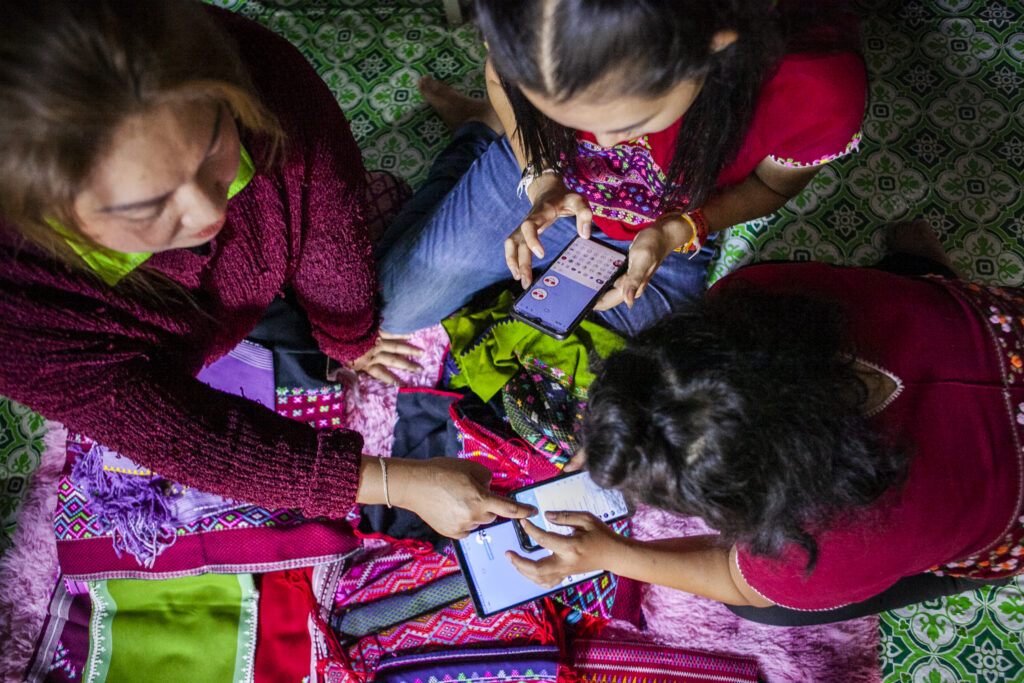
Providing Digital Skills to Expand Economic Opportunity
Our programming helps provide Southeast Asia’s small businesses with the digital skills they need to adapt, compete, and grow.
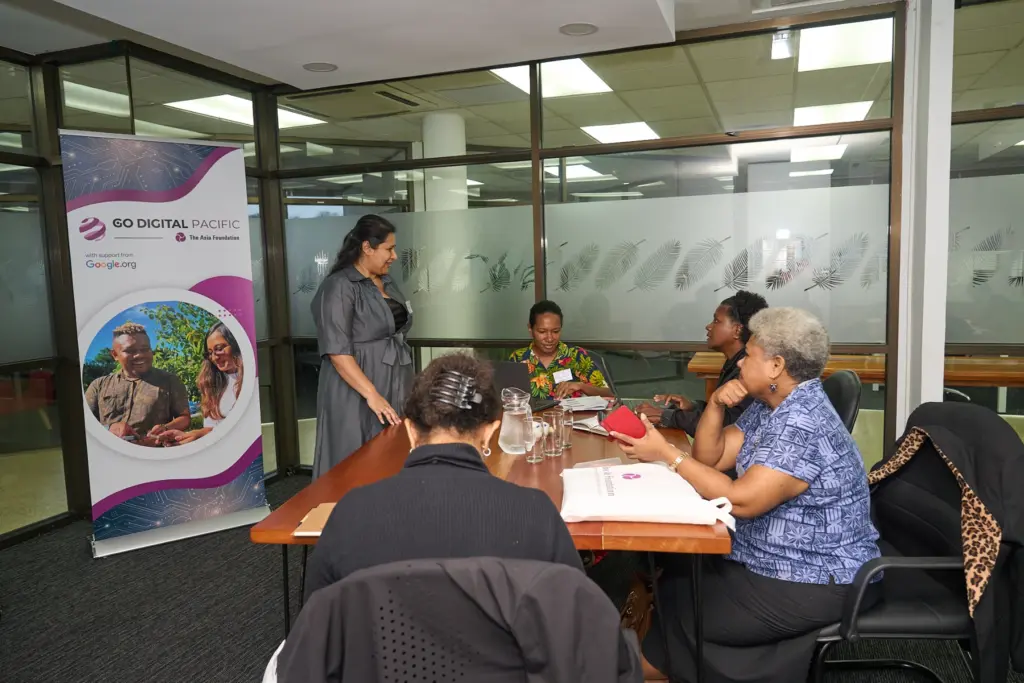
Expanding Digital Skills and Jobs
Digital skills can lead to better work and income generation; we provide women, youth, and informal workers in Fiji and Vanuatu with digital skills they can use to get jobs, start businesses, and access services.

Creating Pathways for Women in STEM
To help more young women move from STEM education into careers, the STEM ConnectHER program links students and early-career women across Asia with mentoring, networks, and workplace opportunities.

Expanding Opportunity for Women Entrepreneurs
We help women-led small businesses in Malaysia access digital tools and financing so they can build stronger, more competitive businesses.

Boosting Cybersecurity Across Asia and the Pacific
Small enterprises going digital are vulnerable to growing cyber threats. The APAC Cybersecurity Fund provides them with practical tools and skills to operate securely in the digital economy.
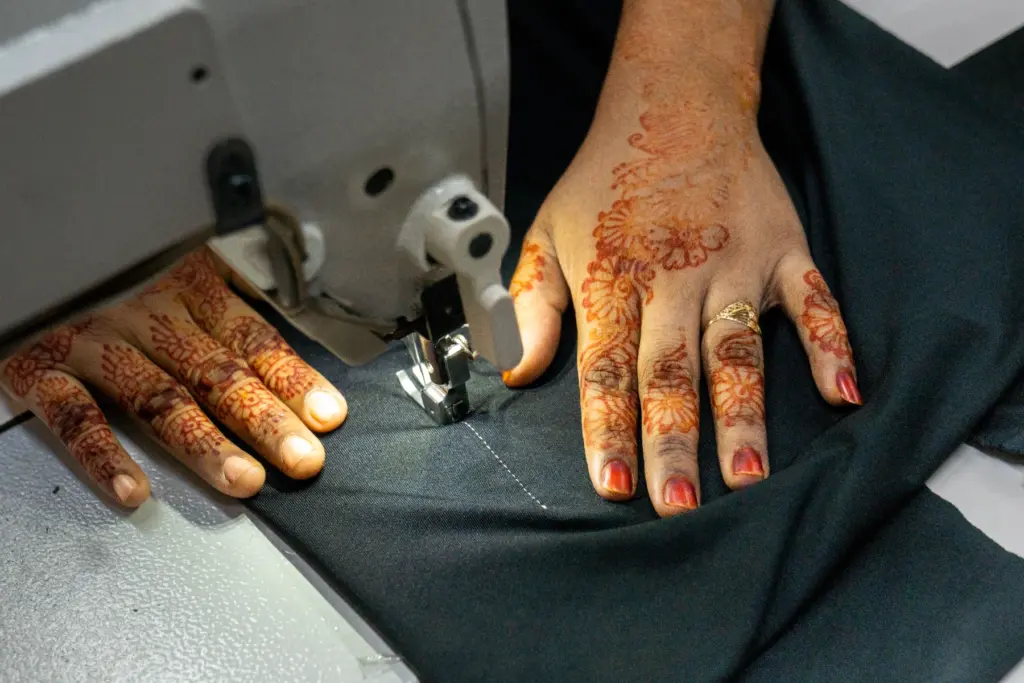
Equipping Women Workers with Advanced Skills
We help women garment workers in Bangladesh build skills and access services and support to adapt to technological and environmental change in the industry.