Program
Advancing Sustainable and Accessible Infrastructure in the Mekong
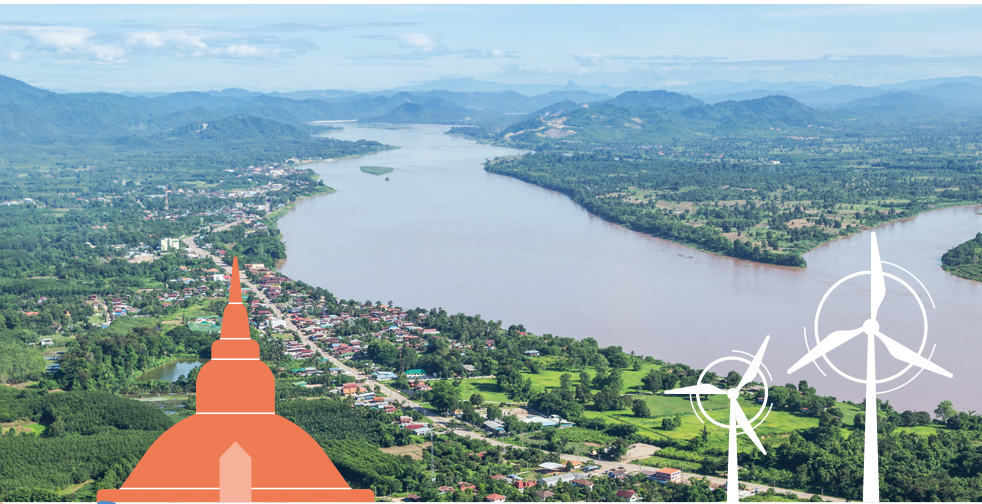
The Mekong Safeguards Program works with governments, regional organizations, the private sector, and civil society to strengthen environmental and social safeguards for energy, transport, and water infrastructure.
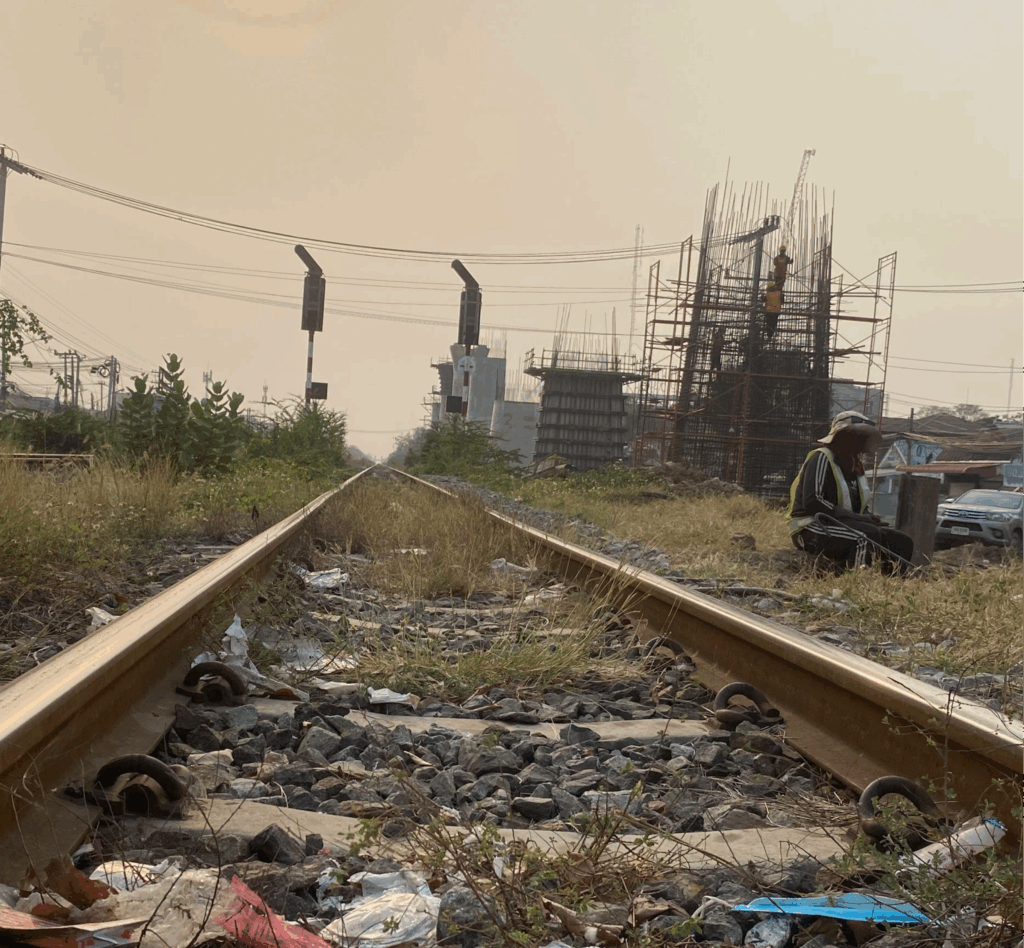
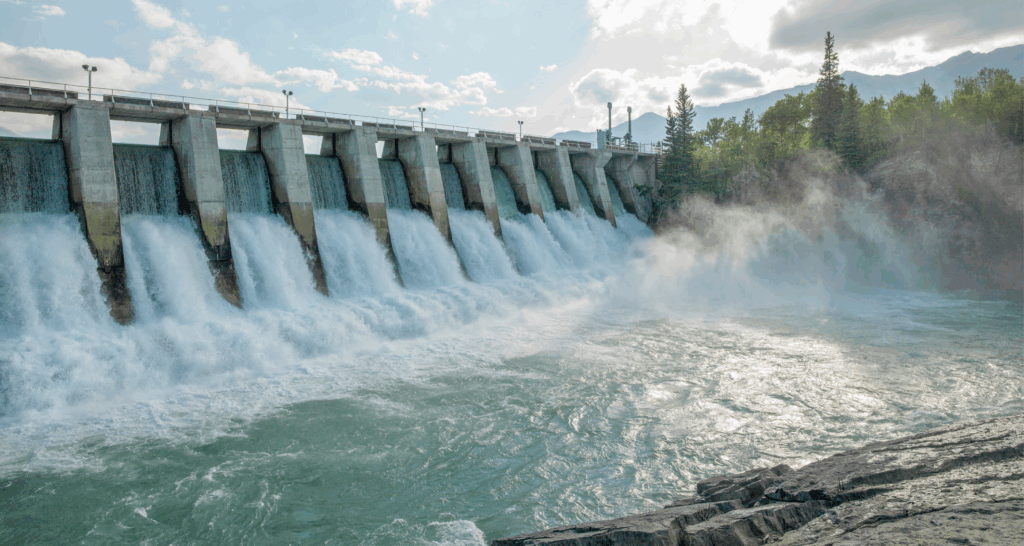
Infrastructure is essential to Southeast Asia’s economic growth and regional connectivity, and major energy, transportation, and water projects need strong environmental and social safeguards to protect communities, livelihoods, and natural resources.
The Mekong Safeguards program works across Cambodia, Lao PDR, Thailand, and Vietnam to improve how environmental and social safeguards are developed and applied. By bringing together governments, regional organizations, businesses, and civil society, the program supports infrastructure development that is more sustainable, resilient, and accessible.
The program is supported by the Australian Government through the Mekong-Australia Partnership and implemented by The Asia Foundation.
Impact
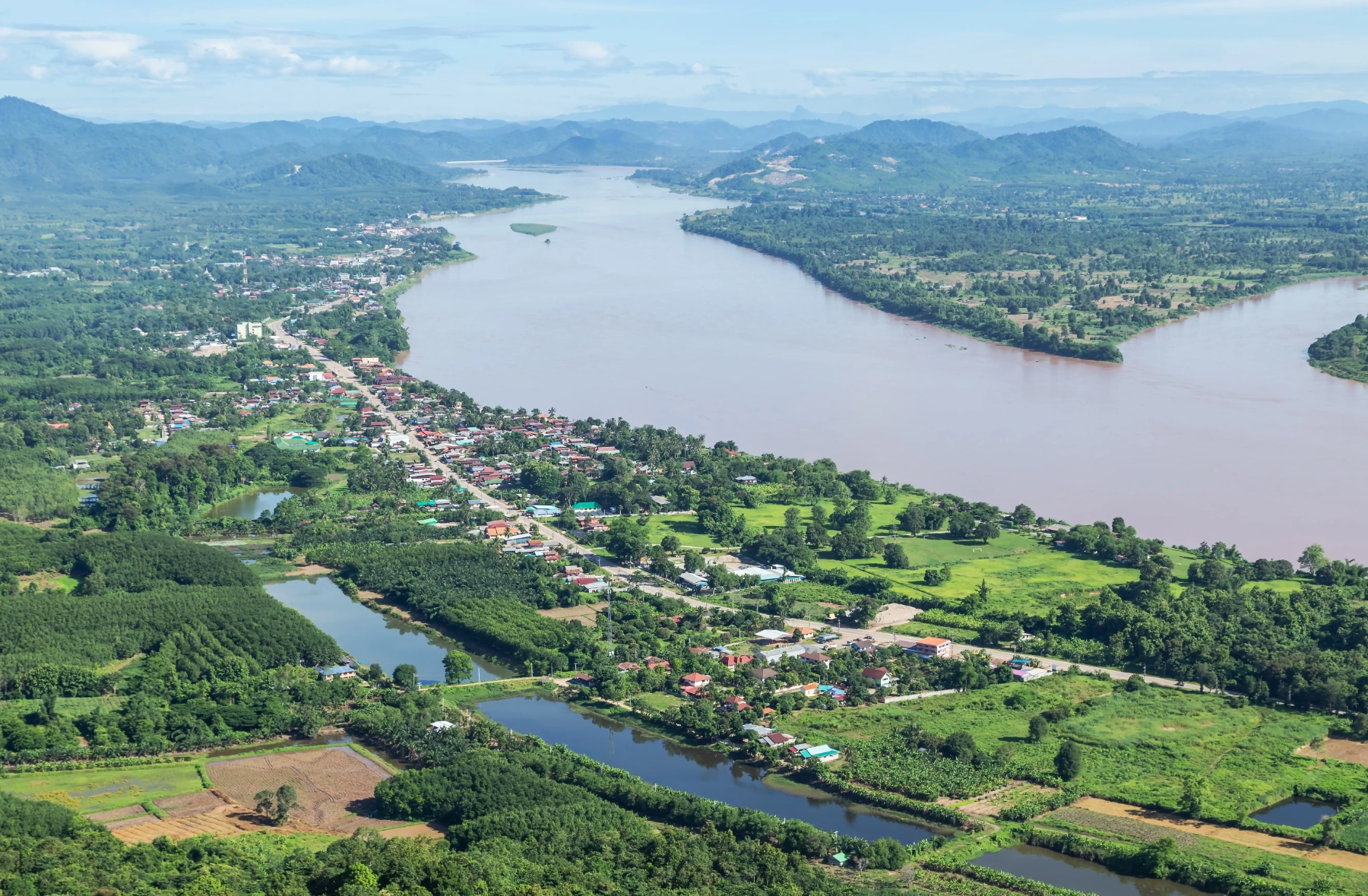
Why Safeguards Matter
The Mekong Safeguards program helps governments, businesses, and civil society strengthen the policies and practices needed to support more sustainable and accessible infrastructure development.
Effective environmental and social safeguards help ensure that:
- Infrastructure projects are safer for people and the environment
- Communities are consulted and participate in planning
- Women, people with disabilities, and other underrepresented groups can participate meaningfully in infrastructure planning and decision-making
Mekong School Digital Library
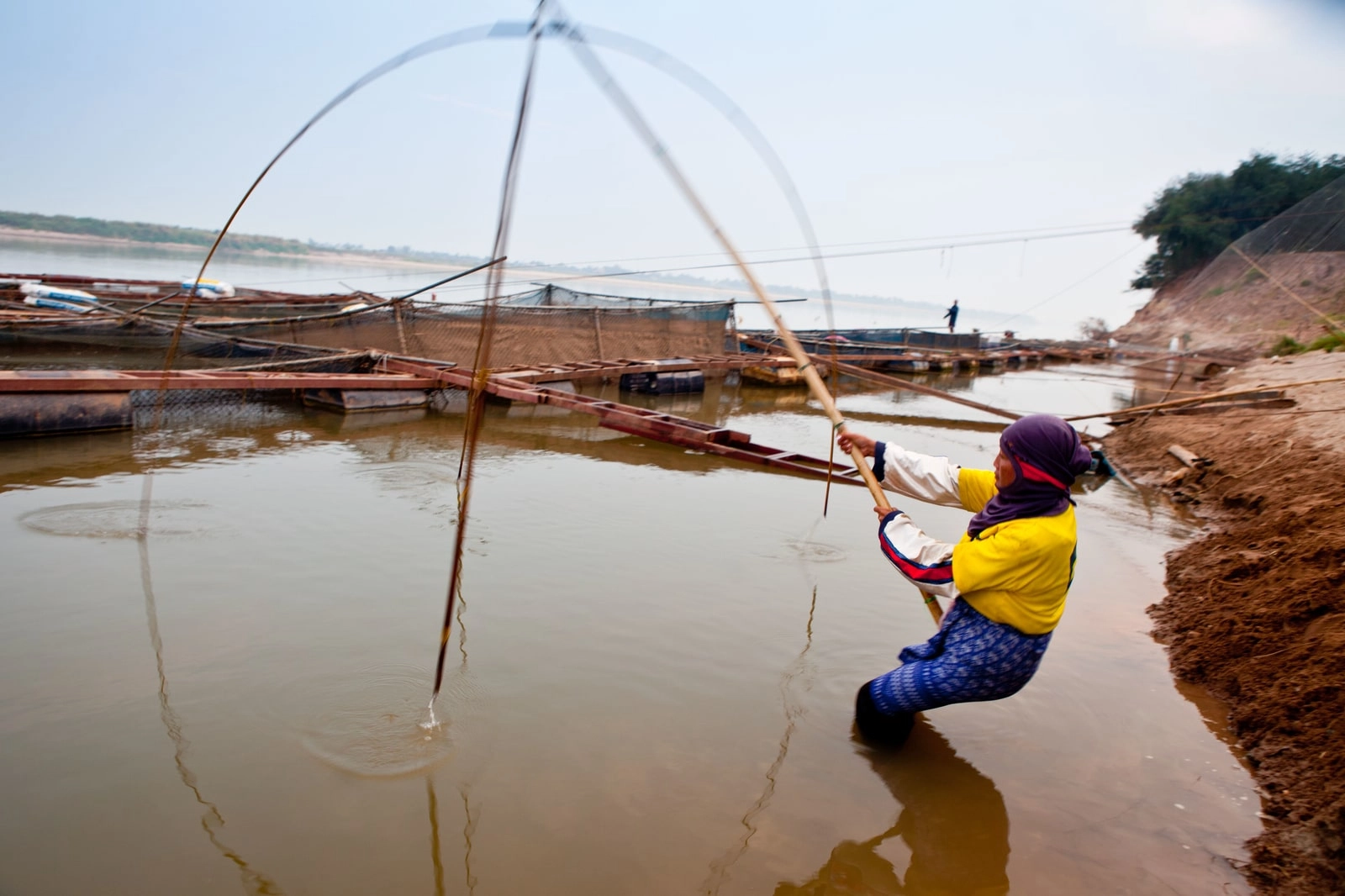
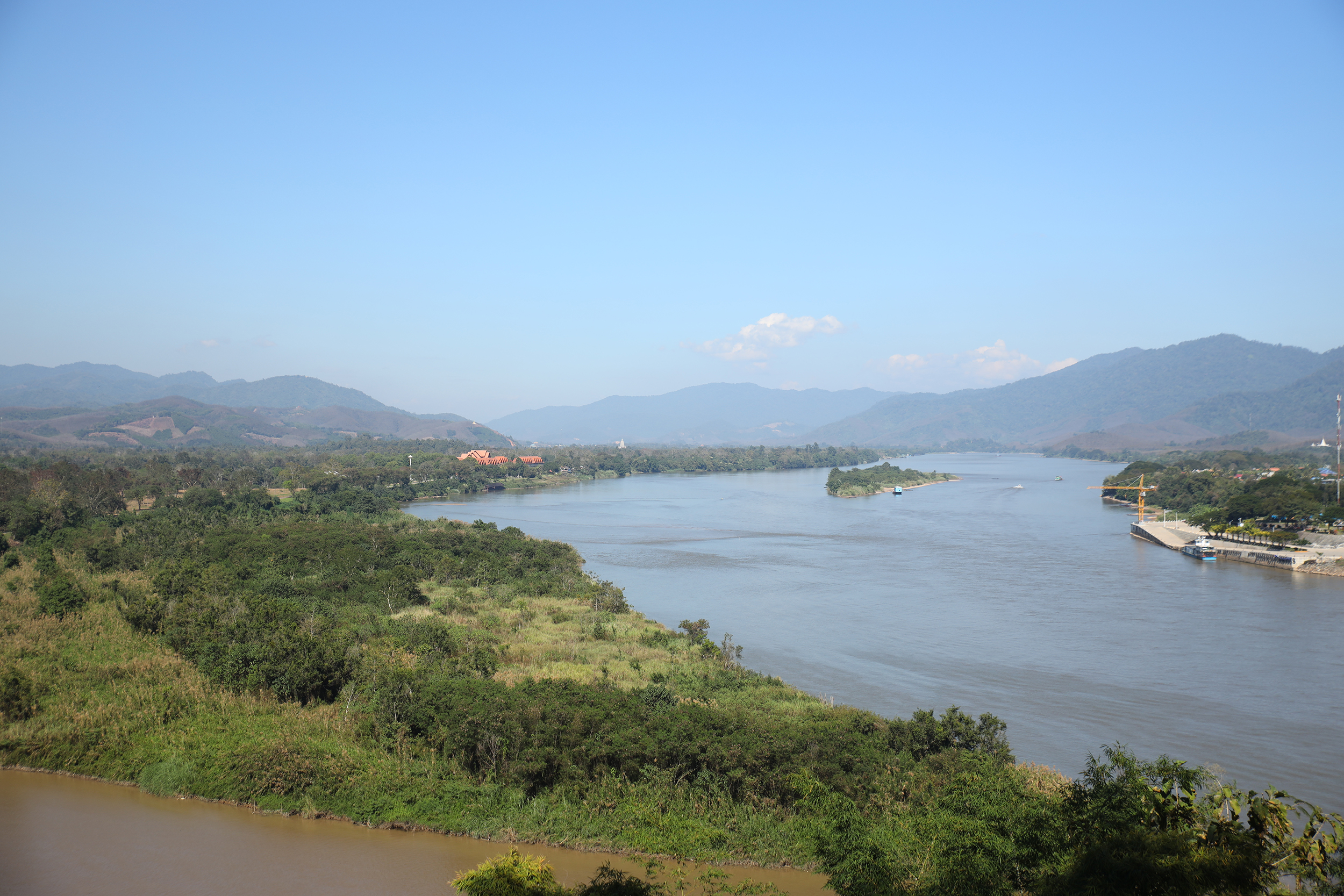
The Mekong School Digital Library supports civil society organizations in northern Thailand to archive and distribute awareness-raising data and valuable local knowledge about infrastructure development on the Mekong and its impacts on communities. The library is managed by the Rak Chiang Khong Conservation Group.
Approach
The program works with regional organizations, governments, the private sector, and civil society to promote sustainable, environmentally resilient, and accessible infrastructure in the energy, transport, and water sectors.
Strengthening policy and practice
The program provides technical assistance, applied research, practical tools, and opportunities for regional learning for governments and regional institutions to strengthen environmental and social safeguard policies, standards, and implementation.
Supporting responsible businesses
We work with infrastructure developers, investors, financial institutions, and other private sector actors to strengthen environmental and social risk management and apply recognized safeguards in infrastructure investment and development.
Expanding community participation
The program strengthens the ability of civil society organizations, affected communities, women, people with disabilities, and other underrepresented groups to participate in infrastructure planning and decision-making.
Advancing regional collaboration
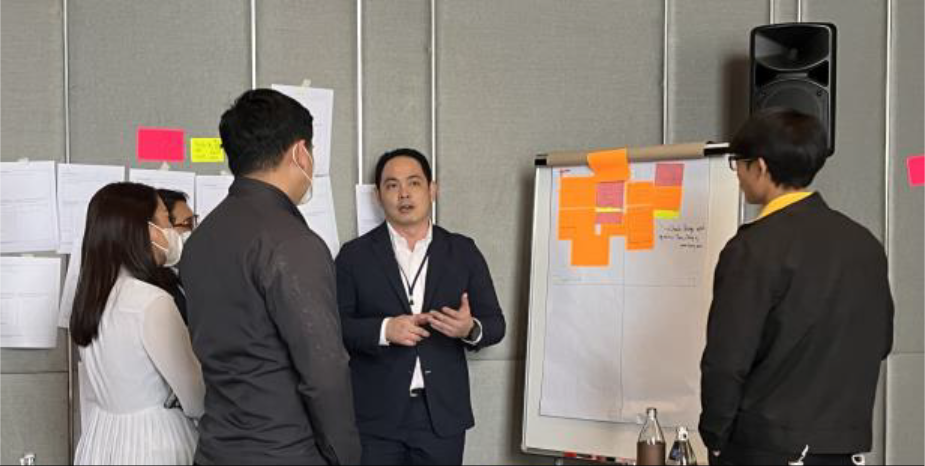
We convene governments, businesses, researchers, and civil society across the Mekong subregion to exchange knowledge, strengthen partnerships, and advance more consistent safeguard practices.
Countries
Across the region, Mekong Safeguards works with regional organizations and partners to strengthen cooperation and promote greater alignment of environmental and social safeguards for infrastructure development. The program supports regional dialogue, knowledge exchange, and practical collaboration—including with the Mekong River Commission—to share best practices and advance more consistent safeguards across borders.
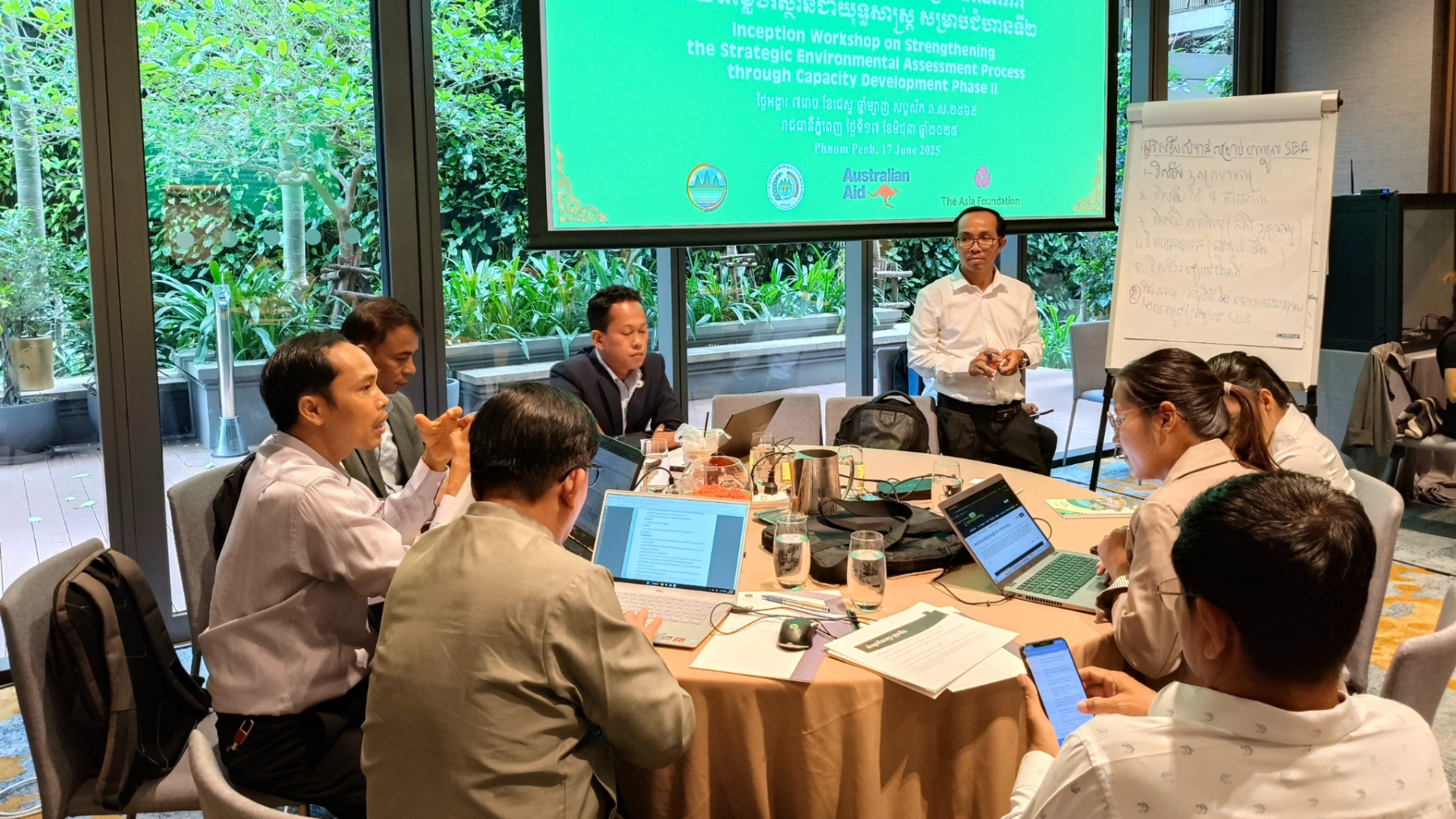
In Cambodia, the program works with government and civil society partners to strengthen strategic environmental assessment, including support for the development and implementation of the national framework. The program also strengthens institutional capacity and promotes meaningful participation of women, people with disabilities, and civil society in infrastructure planning.
In Lao PDR, the program partners with the Department of Environment under the Ministry of Agriculture and Environment to strengthen environmental and social impact assessment systems for infrastructure projects, particularly in the renewable energy and mining sectors.
In Thailand, the program works with private-sector, civil society, government, and regional partners to strengthen environmental and social risk management, responsible infrastructure investment, and meaningful stakeholder engagement. It also expands opportunities for women in the energy sector by supporting policy development for a regional energy investor and strengthening the resilience of women-owned businesses.
In Vietnam, the program supports regional safeguards alignment and knowledge exchange, working with partners to strengthen environmental and social safeguards and share best practices for sustainable infrastructure development across the Mekong.